

Blog
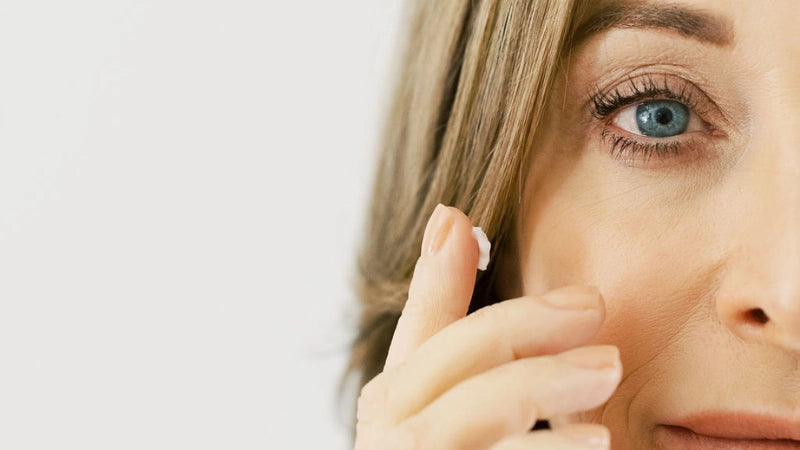
How To Look After Your Aging Skin: A Pharmacist's Guide to Skincare After 50
If you’re seeking the inside scoop on aging skin care, step into the laboratory of skincare wisdom. Our founder, Sharmani, a pharmacist and a mature woman herself, expertly blends science with style to unveil the art of aging gracefully. Ready for a journey that’s as scientific as it is fabulous? Shop Active Treatment Serums Is 45 Too Late to Start A Skincare Routine? It’s never too late! Dive into the world of timeless beauty with three main products, the Holy Grail for mature skin: Sunscreen Vitamin C (like the triple combination of vitamin C and antioxidants found in our Glow Getter3 Serum) Retinoids, like the powerful, yet gentle retinaldehyde combined with other highly active ingredients in our Advanced+ Renewal Serum. These three products should form the foundation for your aging skin care regimen. What Should My Skincare Routine Be at 50? Whether you started earlier or are just embarking on your serious skincare journey at 50, there’s no wrong time to craft a precise skincare routine. The same principles apply to 50-something skin as it does in your 40s: sunscreen, vitamin C, and retinoids. And because 50-something skin can start to experience dryness, make sure you have a good moisturizer like our Daily Infusion+ on hand. This hydrating powerhouse keeps your skin’s balance in check. How Can I Make My Aging Skin Look Better? To minimize the appearance of wrinkles and fine lines and leave your skin looking radiant and glowing, elevate your skincare routine with our Radiant Skin Set, which combines a morning and nighttime serum (Glow Getter3 and Advanced+ Renewal) for radiant and youthful-looking mature skin. Make sure to use something to combat dryness, which can age skin. Should You Use Retinol in Your 50s? Absolutely, let science lead the way! Retinoids are backed by oodles of evidence to show that they stimulate collagen production, bidding farewell to fine lines and wrinkles. They also increase skin cell turnover, fight hyperpigmentation, and even increase your skin’s moisture content, helping to combat dryness. Think of retinoids as your skin’s secret weapon, deployed under the cover of night. (retinoids should be applied at night because they are sensitive to sunlight and prone to degradation when exposed to UV rays.) We’re huge fans of the benefits that come with retinaldehyde, found in our Advanced+ Renewal Serum. What is the Best Skin Care Routine for Women Over 50? For actual results (not overhyped nonsense), get started with our Ageless Skin Set. In addition to our two serums, Glow Getter3 and Advanced+ Renewal, we include our hydrating Daily Infusion+ Moisturizer and Amazing Clean, an exfoliating cleanser (but caution sensitive skin with this one!) It contains the essentials for better looking skin–just add sunscreen. What is a Good Skin Care Routine for Aging Skin? Crafting a good skincare routine for mature skin isn’t as difficult or as confusing as you may imagine. Start with cleansing, which helps remove dirt and make-up and provides a clean canvas to help absorb other products. Next, prevent damage and protect skin with antioxidants and sunscreen. Finally, add in a retinoid treatment to rejuvenate and perfect skin. Nourishing face oils like our Antioxidant Face Oil and performance moisturizers like our Daily Infusion+ Moisturizer help keep mature skin protected against dryness, which can emphasize the appearance of wrinkles and fine lines. What is the Best Treatment for Aging Skin? The ultimate treatment for mature skin? It’s about finding the right products that work for YOUR skin and using them consistently. Beautiful skin doesn’t happen overnight or by chance. It’s a combination of a number of factors, including your lifestyle, your genetics and the skincare products you use. Eat well, exercise, get enough sleep, manage stress. Then add in scientifically proven ingredients and use them consistently in your skincare routine. Find products and a program that works for you and stick with it. It can take weeks to months to notice a difference. But stay with it, and you’ll reap the benefits. Dos and Don’ts For Skincare After 50 Now, let’s dive into the two most important Dos and Don’ts for skincare after 50. ✅ Do embrace a consistent routine tailored to your skin’s needs. ❌ Don’t skip sunscreen; it’s your best defense against premature aging. Should You Use Anti-Aging Products? Let’s challenge the term “anti-aging.” At Apothekari, we believe in embracing the beauty of getting older. Anti-aging suggests a fight against the natural process of aging, while we encourage a celebration of the journey and caring for your skin gracefully. We’ve long dropped this term from our marketing and we think it’s high time that everyone else does too! How to Care for Oily Mature Skin If you’re dealing with oily aging skin, embrace balance. Cleanse with our Amazing Clean, designed for exfoliation without irritating. Use lightweight moisturizers like our Daily Infusion+ to hydrate without causing excess oil. Retinoids like the retinaldehyde found in our Advanced+ Renewal Serum have been shown to minimize the appearance of blemishes and breakouts due to their impact on managing oil production and antibacterial effects. If you find yourself starting to breakout like you did in your teens, Advanced+ Renewal may just save the day! How Can I Make My Aging Skin Look Better? We really don’t think there’s a better place to start seeing a transformation in your mature skin than by elevating your routine with our Radiant Skin Set. This duo of serums (Glow Getter3 and Advanced+ Renewal) works in harmony for radiant, youthful-looking skin. As you gracefully move through your 60s and 70s, continue with the same Apothekari products that are working for you. There’s no need to change things up because your skin doesn’t become immune to the effects of a good skin care product. If you notice that your skin becomes drier or more sensitive, look for moisturizers that deliver heavy-duty results. Or consider adding in a face oil. You may also notice dryness in areas besides your face. It’s one of the reasons that we developed More Than Lip Service. This vulvar and vaginal moisturizer delivers fast, long-lasting, and hormone-free relief from the pain, burning, and irritation that many women experience down there as they get older. Explore how our range adapts to the evolving needs of your skin, ensuring a radiant and healthy complexion. Here’s to timeless elegance, no matter your age.
Learn more
Funky Menopause Odor? Here’s What's Causing It & This Is How to Treat It
If you’re a woman, the menopause transition can bring about many changes in your body, influenced mainly, by shifts in your hormone levels. Shop All Apothekari Natural Deodorants While we’re all familiar with hot flashes and mood swings, you may be experiencing many other unwelcome symptoms, including menopause odor—or changes in the way that you normally smell. One day, you may wake up and detect a different odor, not just in your armpits and feet, but also your groin. You may wonder what the heck is happening, especially in addition to many of the other unexpected symptoms that you’re suddenly having to cope with. Let’s look at what’s behind these changes, the impact they can have on your confidence and discuss options about how to help minimize odor during menopause and beyond. Body Odor Menopause. Why Do I Smell So Bad? During menopause, women experience a drop in in estrogen levels. The estrogen hormone plays a crucial role in regulating body temperature and controlling sweat gland activity. And, as estrogen levels decline, the production of sweat and the composition of sweat changes, leading to alterations in body odor. The menopausal drop in estrogen affects the apocrine glands, which are responsible for producing sweat that contains proteins and fats, compounds that interact with bacteria on the skin’s surface, leading to the release of distinct odors. This is in comparison to the eccrine glands, which are located all over the body and which secrete a clear thin watery sweat, that doesn’t contain nourishment for odor causing bacteria. As a result, menopause odor from sweating may have a stronger, more pungent smell compared to before. Where Can You Get Body Odor During Menopause? Human body odor is a normal (albeit annoying) human experience that occurs at every stage of life. You can get menopause body odor anywhere you normally sweat, like your armpits and groin. That said, you may notice that you smell in, well, places you’re just not used to smelling bad. During menopause, the drop in estrogen can lead to an increased vaginal pH. Normal vaginal odors are mild or odorless, but if you notice that the smell is “fishy” or stronger in general, it may be time to see your doctor. Does Menopause Cause More Body Odor? Hormone imbalances and body odor often go together. Dips in estrogen can trigger hot flashes and night sweats, meaning you simply sweat more, which in turn can result in more odor. This is also a time of life filled with high levels of anxiety or stress, which can make you sweat, too. The shift in hormonal balance that occurs during menopause can lead to stronger body odor. Estrogen and progesterone levels fall relative to your testosterone, while cortisol tends to increase. Higher levels of both testosterone and cortisol have been linked to stronger body odor. You may also notice bad smells in places that didn’t smell bad before, including the skin around your vagina. This may necessitate a visit to your doctor. More on this below. Why Do My Armpits Smell Now That I’m Older? You may be surprised to learn that your body odor naturally changes as you age. In addition to hormonal changes that may be occurring—a drop in estrogen along with relatively higher levels of testosterone—there may also be increased levels of a compound called 2-nonenal, which has an unpleasant greasy and grassy odor and which tends to be detected only in people aged 40 or more. It’s no wonder that your armpits—along with other body parts—may start smelling funkier than before. Why Can I Smell Myself Even After a Shower? Bacteria love hiding in hair! If you still smell a strong body odor after a bath or a shower, using a good cleanser or soap, consider shaving the hair in your armpits, groin, and chest. The hair’s surface is a perfect place for bacteria to call home, and it’s harder to eliminate them from the hair than your bare skin. Why Do I Smell Down There Even After I Shower? Vaginal odor can be caused by diet, sweating, menstruation, pregnancy, or menopause. It can sometimes also be caused by infections like bacterial vaginosis or trichomoniasis. Can Menopause Cause a Fishy Odor? When estrogen levels fall, it leads to a decrease in the levels of Lactobacillus bacteria, which are protective to the vaginal area.Estrogen also helps to maintain the acidity of the vagina, preventing the overgrowth of harmful bacteria and maintaining a healthy balance of microorganisms. The disruption in pH balance can lead to an increase in harmful microbes, that produce “smelly” molecules, that now thrive within the vaginal microbiome, causing changes in vaginal odor. These changes in body odor can have a significant impact on your self-esteem and confidence, leaving you feeling self-conscious and uncomfortable, especially in social situations. It’s important to address these concerns to ensure that you maintain a positive body image and overall well-being during menopause. How Can I Stop My Body From Smelling During Menopause? Hot flashes and night sweats can’t be ruled out completely, and there’s very little that you can do to alter changing hormone levels. However, there are a few things that you can do to help minimize menopause odor, specifically: Stave off Dehydration. Hot flashes may have you sweating more, contributing to dehydration during menopause. If you’re not drinking enough water to make up for the loss, your body fluids become more concentrated. This applies not only to your sweat, but also your urine. Concentrated urine is dark in color; concentrated sweat leads to a more potent smell when the bacteria have their way with it. Stress Less. For many women, the menopause transition can be stressful. Hot flashes, mood changes (anxiety, depression, rage), forgetfulness and sleeplessness all disrupt your life in not so good ways. Stress sweat comes from your apocrine glands and compared to body-cooling sweat, (which is produced by eccrine glands), is thicker and richer in nutrients, which bacteria thrive on, leading to an increase in menopause odor. Ditch the Synthetics. Nylon, polyester and other synthetic fabrics cause you to sweat more. They also can retain body odor more. Opt for breathable fabrics like cotton, wool, linen or silk, which help you stay cooler and drier, and don’t retain odors as much. Pay Attention to What You Eat. Some foods and drinks can lead to more pungent body odor. This includes meat, spicy foods, caffeine, garlic, onions and alcohol. It’s not the same for everyone so experiment to see if eliminating any helps. What Home Remedy is Good for Body Odor During Menopause? There are many natural remedies to consider, including: Black cohosh Ginseng Kava Red clover, and Evening primrose oil Although often recommended to help with the sweating that may lead to menopause odor, there’s not a ton of research proving that they work. Which Deodorant is Best for Menopause Odor? You wouldn’t be here if you haven’t noticed that your body is starting to smell differently, regardless of whether you’re at or approaching menopause. If you’re finding that the deodorant or anti-perspirant that you’ve been using for years isn’t cutting it any longer to help manage menopause odor, you’re going to feel more self-conscious. For the reasons explained above, even the feeling in your armpits may be different—stickier and heavier. While these changes may be normal, they’re not necessarily pleasant so it may be time to try something new. When it comes to odor control, you have 2 main options: Anti-perspirants contain ingredients like aluminum salts that help reduce perspiration. These compounds work by temporarily blocking or narrowing sweat ducts, thereby reducing the amount of sweat that reaches the skin’s surface. By minimizing sweat production, antiperspirants indirectly contribute to reducing menopause odor or other body odor as there is less moisture available for bacterial activity. Deodorants, like our range of spray deodorants, which work in several ways to combat menopause odor: Mask Odor: Fragrances or essential oils with pleasant scents are used to cover up any unwanted smells, providing a more appealing scent. (Often these can smell like fake flowers covering up funky smells – eww no thanks) Antimicrobial Action: It’s the bacteria that live on your skin that down sweat into smelly compounds, which lead to body and menopause odor. Ingredients like triclosan, alcohol, or tea tree oil reduce the bacterial population, minimizing the production of unpleasant odors. pH Adjustment: Sweat is naturally slightly acidic, and this acidity helps inhibit the growth of odor-causing bacteria. Deodorants with slightly acidic formulations (low pH), like ours, create an environment on the skin’s surface that is less favorable for bacterial growth, reducing odor. Conversely, you can have alkaline formulations (high pH) which also do that. However, high pH deodorants, like the ones that contain baking soda, often are highly irritating to skin, leading to rashes and redness. Odor Neutralization: Some deodorants utilize ingredients that directly target and neutralize odor-causing compounds. For instance, activated charcoal or odor neutralizing enzymes can absorb and/or neutralize odor molecules, helping to eliminate unpleasant smells. Probiotics: Help to increase the concentration of non-odor producing bacteria. Apothekari’s Natural Spray Deodorants to the Rescue for Menopause Odor! Our triple odor protection formulation contains: Alpha Hydroxy Acid to keep odor causing bacteria in check Probiotics to increase the concentration of non-odor causing bacteria, and Odor Neutralizing Enzymes to attack odor at its root cause. Our formulation is gentler on the skin compared to traditional aluminum-containing anti-perspirants. And this is important because menopausal skin may become more sensitive, and harsh chemicals found in some anti-perspirants can cause irritation or discomfort. When it comes to managing menopause odor, lifestyle changes along with choosing the right deodorant is essential. Acid-based deodorants offer several advantages over other types, including baking soda or traditional aluminum-based anti-perspirants. By regulating the skin’s pH, they help to control odor-causing bacteria, and provide a gentler way to effectively tackle menopausal body odor without irritating skin. When to Get Help With Body Odor These are some reasons to see your doctor: If you can’t find relief from excessive sweating and body odor or if your sweating is interfering with your life. If you notice a fishy odor in or around your vagina, you may be dealing with an infection. A fruity odor, which could be a sign of diabetes. A bleach smelling odor, which may indicate kidney or liver disease. Some medical conditions can be serious and it’s best to rule them out.
Learn more
Is There Such a Thing As Wine Face?
Every year, after the holidays, I look at my skin and wonder—am I suffering from wine face? As much as I love the holiday season, I’m always a bit happy to be done with the busyness and indulgence that accompany it. Shop All Apothekari Don’t get me wrong – I love chocolates and wine as much as the next person but when January rolls around, I start to crave fresh, crispy salads, juicy berries and regular yoga classes. In addition to the few extra pounds that often seem to creep up on you during the season of excess, you may notice that your skin isn’t looking as fresh and dewy as normal. May I introduce “wine face”? What is Wine Face? “Wine face” is a term coined by a London naturopath to describe the effects of alcohol consumption on the skin. Along with gluten face, dairy face, and sugar face, wine face outlines the negative impact of different foods on your appearance. Wine face typically happens to those who consume one or two glasses of wine most nights of the week, although it can be triggered by consuming any type of alcohol. What Causes Wine Face? Alcohol consumption impacts your body in many ways, including the appearance of your skin. When you drink alcohol, it’s metabolized in the liver, which produces a toxic substance called acetaldehyde. This substance is responsible for many of the negative effects associated with alcohol, including the dilation of the delicate capillaries of the cheeks and nose, drawing blood to the surface of the skin and leading to facial redness and puffiness. With frequent alcohol consumption, the face may attain a permanent ruddy appearance. Alcohol consumption is also dehydrating, which can make fine lines and wrinkles look worse. Lastly, alcohol is known to decrease the production of collagen, which is essential for healthy and youthful-looking skin. Collagen gives the skin its strength, elasticity, and firmness. As collagen production decreases, the skin begins to sag, and wrinkles may become more noticeable. What Does a Wine Face Look Like? The main symptoms of wine face include: Lines or redness between the eyes Saggy eyelids Enlarged pores Facial redness Deep laughter lines Dehydrated skin with feathery lines across the cheeks If you see these signs, it’s a good indication that your alcohol consumption is starting to have an impact on your appearance. Can Wine Face Be Reversed? The good news is that wine face is reversible. The first step is to take a short break from alcohol, ideally for three weeks or more, to allow your gut to rebalance. During this time, it’s essential to drink plenty of water to help hydrate your skin. Water is crucial for healthy skin and helps your body to circulate nutrients and get rid of harmful substances that can contribute to skin and other health problems. Once the three weeks are over, get into the habit of consuming alcohol in moderation. Sticking to an 80/20 rule can help you maintain a healthy balance. Abstain from alcohol for 80% of the time, but allow yourself the occasional glass in the remaining 20%. The Impact of Alcohol on Skin Health Alcohol is a known diuretic, which means it increases urine production and leads to dehydration. This dehydration can be detrimental to skin health, as it can cause the skin to look dull and lifeless. It can also exacerbate existing skin conditions such as eczema, psoriasis, and acne. Reducing your alcohol consumption benefits ALL the organs in your body; not just your skin. Excessive alcohol consumption has many other negative health implications, including developing high blood pressure, heart disease, stroke, liver disease, and digestive problems. It also increases your risk of developing cancer of the breast, mouth, throat, esophagus, voice box, liver, colon, and rectum. How to Get Rid of Wine Face? Aside from taking a break from alcohol, there are several other steps you can take to help get rid of wine face. Make sure you’re drinking plenty of water to help hydrate your skin. Water is essential for healthy skin and helps your body to circulate nutrients and get rid of harmful substances that can contribute to skin and other health problems. Eat a healthy diet filled with lots of fruits and vegetables. These foods are rich in antioxidants, which help protect the skin from damage caused by free radicals that can be generated by consuming alcohol. Invest in a good skincare routine. Prep skin with cleansers, protect with sunscreen, prevent damage with antioxidants, and perfect and renew with retinoids. Our Ageless Skin Set contains all the essentials to help keep skin looking healthy and glowing. How Long Does It Take to Get Rid of Wine Face? For most of us, after taking a complete break from alcohol for several weeks, you’ll likely notice a difference to your skin’s appearance. After this, it’s a good idea to avoid consuming it during the week and saving it for the weekends or special occasions. What About Red Wine Face? Red wine face isn’t different or special to “wine face” as the alcohol found in red wine is the same alcohol found in other types of alcoholic beverages. And, sadly, contrary to what the marketers want you to believe, red wine doesn’t have any special properties that help to benefit your health. Wine face is a real thing, and it’s not just a myth. If you’re a regular wine drinker and you notice that your skin isn’t looking as fresh and youthful as it once was, it might be time to take a closer look at your alcohol consumption habits. Remember, the key is moderation. By taking a break from alcohol, drinking plenty of water, eating a healthy diet, and investing in a good skincare routine, you can help get rid of wine face and keep your skin looking healthy and youthful for years to come.
Learn more
Don't Put Up With Vaginal Dryness! This is How to Treat it
Vulvar and vaginal dryness are a common, yet ‘silent’ problem because many women feel embarrassed to talk about it with their partners, friends and even doctors. It can have a really negative impact on quality of life, yet only 25% of women seek help to manage their symptoms. Shop Intimate Care Feminine Moisturizer What is a Natural Remedy for Dry Down There? We’re here to change that and that’s why we’re so excited to share news about More Than Lip Service. You moisturize the rest of your body so why not your vulva and vagina? Our moisturizer helps to treat the symptoms associated with vulvar & vaginal dryness, allowing you to embrace life again. Made with a combination of hyaluronic acid (which your body produces naturally) plus vitamin E and other beneficial ingredients, More Than Lip Service gives you fast, long-lasting & hormone-free relief from the burning, itching & pain associated with vaginal atrophy, vulvar and vaginal dryness. Unlike those other lubricants that just slip right out, ours not only immediately alleviates dryness symptoms but also lasts so long, you may not even need to use it every day. Why Am I Dry Down There All of a Sudden? Over half of women aged between 51 and 60 experience vulvar & vaginal dryness, leading to pain, irritation and burning. While it’s more common in older women, younger women aren’t immune. Around 17% of women aged 18-50 experience issues, even before menopause. The hormonal changes associated with aging—in general, a decline in estrogen levels—is the main cause, but feminine sprays and harsh soaps, swimming pool & hot tub chemicals, detergents, and some medications can also lead to vaginal dryness. It may also be problematic during sexual intercourse, resulting in pain along with intimacy issues. What Causes Vaginal Dryness? A normal, healthy vagina: Is kept supple and moist with natural lubrication produced by glands at the neck of the womb (the cervix). This moisture makes its way slowly down through the vagina, keeping it clean and removing dead cells. The moisture is slightly acidic, helping to keep the area, including the vulva and the labia healthy, preventing infections like thrush. Most women may notice a slight white vaginal discharge – this is perfectly normal. The Bartholin’s glands (two glands at the entrance of the vagina) produce extra moisture to aid sexual intercourse when a woman is aroused. However, a quarter of women aged 50-59 experience vaginal dryness problems during sex and 16% experience pain. In addition to the natural lubrication that makes its way down through the vagina, there’s also a thin layer of moisture that coats the walls of the vagina. This moisture helps sperm travel and survive in for sexual reproduction. It also helps to reduce friction during sexual intercourse. As a woman gets older, a decline in estrogen production can cause the vaginal walls to thin, resulting in fewer cells that secrete moisture. Apart from age, vulvar and/or vaginal dryness may be associated with: Breastfeeding Cigarette smoking Depression Excessive stress Immune system disorders, such as Sjögren syndrome Childbirth Rigorous exercise Some cancer treatments, such as radiation to the pelvis, hormone therapy, or chemotherapy Surgical removal of the ovaries Some medications, including douching, as well as some creams and lotions that are applied to the vaginal area. Can Dehydration Cause Dryness Down There? If you’re not drinking enough water, then your skin—anywhere on your body—is prone to dryness. Dehydration can take a on your vaginal health, leaving the skin feeling itchy and dry. It can also throw off the pH balance, possibly contributing to conditions including yeast infections. Make sure that you’re drinking enough water (most experts recommend somewhere between 6-10, 8 oz glasses a day. Tea, coffee, fruits and vegetables all count towards this and you may need more depending on your level of activity and personal needs. What are the Symptoms of Vaginal Dryness? How Long Does Vaginal Dryness Last? Vulvar & vaginal dryness cause discomfort in the vaginal and pelvic regions along including: Burning Loss of interest in sex Painful sexual intercourse Light bleeding following intercourse Soreness Urinary tract infections (UTIs) that don’t go away or that reoccur Vaginal itching or stinging Beyond painful intercourse, untreated vaginal dryness can cause sores or cracking in the vagina’s tissues. See your doctor if you experience the following: Vaginal dryness that lasts for more than a few weeks and and that isn’t fixable with over the counter solutions (see below) Vaginal dryness is affecting your daily life You experience unusual discharge or bleeding from your vagina You have bleeding after sex or in between your periods If severe vaginal bleeding occurs, it’s important to seek immediate medical attention. How Do You Get Rid of Dryness Down There? Although it can throw havoc with your day to day activities, vulvar & vaginal dryness aren’t life threatening. Thankfully, treatments are available. 1. What is the best lube for menopause? Similar to natural lubrication, lubricants provide temporary relief from dryness and discomfort. Lubricants may be used at any time and aren’t just reserved for perimenopause or menopause. They should be applied to the area around the vulva (lips) and vagina just before sexual intercourse. 2. What is good for vaginal dryness? (Hint: Moisturizers!) Longer lasting than lubricants, moisturizers like More Than Lip Service are designed to be used two to three times a week. They may be used externally or used internally and their effect lasts for days. They’re a great option for women who can’t—or don’t want to—use hormonal options. 3. Do estrogen pills help with dryness? Estrogen pills are a hormonal option available by prescription to help manage vaginal dryness. Creams, gels, patches and rings are also available to give you a range of products to choose from. Supplementing with estrogen can help to manage a range of perimenopausal and menopausal symptoms that women may encounter, including not only, vaginal dryness, but also hot flashes and brain fog. If you feel that you’d benefit from going this route, check in with your physician who’ll be able to help you navigate the choices to find one that works for you. If your main concern though, is vaginal dryness, studies have shown that vaginal moisturizers made with hyaluronic acid and vitamin E (like More Than Lip Service) are comparable in efficacy to hormonal treatments and without the risk of side effects. (1,2,3) Check with your health care provider if you aren’t sure about your options. (1) Jokar A, Davari T, Asadi N, Ahmadi F, Foruhari S. Comparison of the Hyaluronic Acid Vaginal Cream and Conjugated Estrogen Used in Treatment of Vaginal Atrophy of Menopause Women: A Randomized Controlled Clinical Trial. Int J Community Based Nurs Midwifery. 2016 Jan;4(1):69-78. PMID: 26793732; PMCID: PMC4709811. (2) Stute, Petra. Is vaginal hyaluronic acid as effective as vaginal estriol for vaginal dryness relief? Multicenter Study Arch Gynecol Obstet . 2013 Dec;288(6):1199-201. (3) Chen J, Geng L, Song X, Li H, Giordan N, Liao Q. Evaluation of the efficacy and safety of hyaluronic acid vaginal gel to ease vaginal dryness: a multicenter, randomized, controlled, open-label, parallel-group, clinical trial. J Sex Med. 2013 Jun;10(6):1575-84. doi: 10.1111/jsm.12125. Epub 2013 Apr 9. PMID: 23574713.
Learn more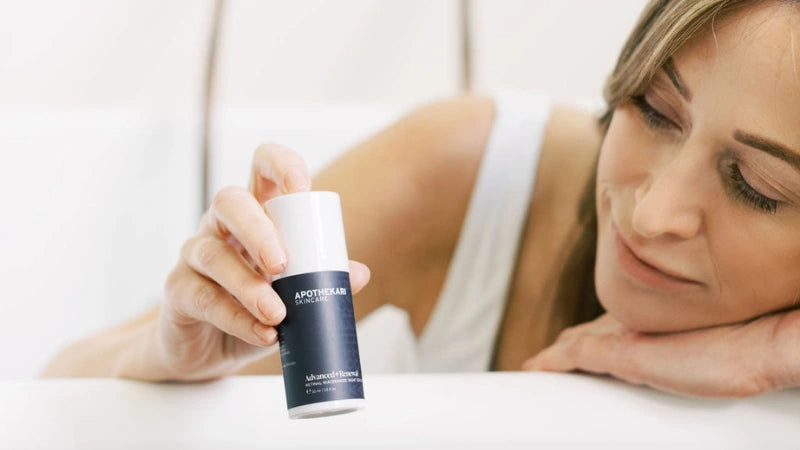
Retinol & Retinoids: Your Complete Guide
You may be wondering if retinol (or another retinoid) has a place in your skin care routine. In this post we’ll explain why it’s important if you’re serious about healthy and beautiful skin. And, we’ll show you how to get this superstar ingredient into your life. Shop A Is for Anti-Aging Serum (Our Retinoid Formulation) Shop Active Eyes What is Retinol? Retinol is a form of vitamin A that you can find in skincare serums, creams and lotions, especially those marketed as “anti-aging”. Which is NOT a term we like to use around here, but which persists, nonetheless. (It’s why we’ve recently renamed our A is for Anti-Aging Serum to Advanced+ Renewal). It belongs to a class of ingredients know as retinoids, which are known for their ability to improve the appearance of fine lines, wrinkles, and uneven skin texture. And they’ve also been shown to be useful in the management of acne. Retinol may be the most well-known retinoid, but there are several others also used in skincare. Retinyl palmitate & Retinyl acetate. Very mild and gentle and available without prescription Retinaldehyde. Potent, but still gentle and found in our Advanced+ Renewal Serum. Available over the counter. Adapalene. Prescription only. Tazarotene. Prescription only. Tretinoin. Prescription only. Isotretinoin. Prescription only. Prescription forms tend to be stronger, and often more irritating to skin. If you feel you’re ready for one, your physician will be able to guide you towards the best option for your individual needs. What is Retinol Good For? As a class of ingredients in general, retinoids: Increase collagen production and decrease its breakdown, which minimize the appearance of fine lines and wrinkles along with scarring. Inhibit the production and transfer of melanin (skin pigment), which “prevents age spots from worsening and also helps to fade existing dark spots. Help unclog pores and minimize their appearance. Increase skin cell turnover, which helps replace old, dry, dead skin cells with younger, healthier ones. The result is that glow that we’re all after. Reduce transepidermal water loss, leaving skin looking more plump and hydrated. Retinol helps to improve the appearance and texture of skin. It diminishes the appearance of wrinkles and fine lines, smooths skin, fades age spots and hyperpigmentation and minimizes acne blemishes, so it’s a powerhouse ingredient to have in your skin care arsenal. Keep in mind that while retinol may be the most well known retinoid, that it’s not necessarily the best one. As effective as it is, it does come with some effects. What are the Negative Effects of Retinol? Retinol can result in some negative side effects, especially if it isn’t used correctly. Common side effects include redness, peeling, and dryness, which can be really disheartening when you start using it on a regular basis. Boo. Another way to minimize retinoid side effects is to start with a low concentration and gradually work your way up to a higher concentration. It’s also important to use retinol in combination with a good moisturizer and/or face oil to help prevent dryness and irritation. However, despite following good instructions on retinol use, you may still find your skin unable to tolerate it. In this case, you can opt for a more gentle retinoid, like retinaldehyde. Retinol vs Retinaldehyde Retinaldehyde—often simply called retinal—is retinol’s gentler, yet even more powerful cousin. And we’re BIG fans of this ingredient at Apothekari, which is why it’s included in our Advanced+ Renewal Serum, along with other actives. Retinal is also one step closer than retinol in converting to retinoic acid, making it more readily available for your skin to put it to good use. And, just like retinol, studies have shown that it minimizes the appearance of dark spots, fine lines and post-acne scarring. The kicker? It works just as well (possibly better than retinol), and with fewer side effects. It should be on everyone’s radar! What Does Retinol Do To Your Face? Once absorbed into your skin, it works by increasing the production of collagen. This helps to improve your skin’s appearance, especially by smoothing out wrinkles and fine lines. It can also increase skin cell turnover, which is why it’s useful in reducing acne blemishes and fading hyperpigmentation (age spots, etc). Can I Use Retinol Around Eyes? The skin around the eyes is thinner than skin on the rest of your face, and so quite prone to wrinkling. You absolutely can apply retinol and other retinoids around the eye. However, it’s important to be mindful as the thin skin results in greater absorption of ingredients and also has a higher potential for irritation. Using a low concentration product–including retinoid creams specifically formulated for the eye area–is a great option. They will contain either a lower concentration of retinoid, contain a gentle retinoid like retinyl palmitate or retinaldehyde; or include encapsulated retinol. Encapsulated retinol slowly releases retinol, rather than a big burst all at once, helping to minimize skin irritation. It’s an excellent way to treat the delicate skin around your eyes, where we’ve included it in our ActiveEyes Serum (along with peptides and other actives). Also remember to take the proper precautions, including using moisturizer to damp skin and sun protection. Is Retinol Good for Acne? Yes, it can absolutely help to treating acne. Because it increases cell turnover, this pushes newer, healthier skin cells to the surface, which in turn, prevents pores from clogging. It’s not always the most effective treatment for all types of acne, and if you find that it’s not working for you, check in with a dermatologist to find a better solution. How Do You Know if Retinol is Working? As with many skincare products, the impact of consistently using retinol and other retinoids can take time. You should allow at least 4-6 weeks before deciding whether it’s making a difference to your skin. Here are some signs that it may be working for you: Improved skin texture: The increase in skin cell turnover helps to smooth out bumpy and rough skin. Reduced fine lines and wrinkles: Collagen production is stimulated, which can help to reduce the appearance of fine lines and wrinkles. Brighter, more even skin tone: Improved skin tone by reducing the appearance of dark spots and hyperpigmentation. Fewer breakouts: Retinol helps to unclog pores, which reduces the frequency and severity of breakouts. When Should I Start Using Retinol? Most skin care experts advise starting retinoids in your late twenties, when the natural production of collagen and elastin in skin begins to decline. Introducing it earlier can help to prevent the signs of aging from appearing prematurely. Can I Use It Everyday? If you introduce it into your skincare routine gradually and aren’t experiencing any negative side effects (redness, irritation, peeling) then it’s perfectly safe to use it daily. However, we find that even if you introduce retinol gradually that it may cause skin irritation, especially if you have sensitive skin. The retinaldehyde in our Advanced+ Renewal Serum is not only more effective than retinol, it’s also more gentle, making it ideal for use in all skin types. In fact, many of our customers with sensitive skin are able to tolerate Advanced+ Renewal with great success after having their skin react to any other retinoid they’ve tried. Dos and Don’ts With Retinol? Do: Start with a low concentration of retinol and gradually work your way up to a higher concentration Use retinol at night. It is highly susceptible to damage when exposed to sunlight and it may also make your skin more sensitive to sun exposure. For this reason, make sure you’re apply sunscreen every day. Use a moisturizer to help prevent dryness and irritation Use consistently and be patient. It can take several weeks to see results Don’t: Use during the day as it degrades with exposure to sunlight and may also increase your skin’s sensitivity. Use if you are pregnant or breastfeeding Use in combination with other active ingredients like alpha hydroxy acids and low pH treatments without consulting a skincare professional. It’s generally safe to use them on alternate days. Use too much. Your skin can only absorb so much. Plus, this can lead to dryness and irritation Hope you enjoyed reading this!
Learn more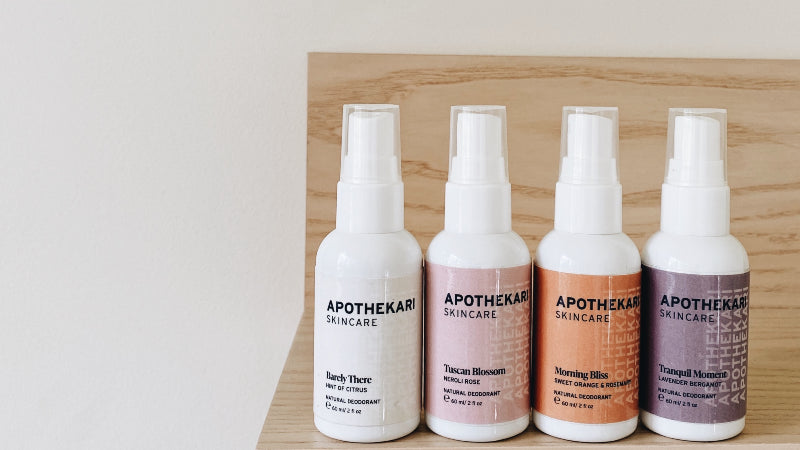
Everything You Wanted to Know About Natural Deodorant. And How to Choose the Right One
Curious about making the switch to natural deodorant? Or wondering if using one is right for you? You’ve come to the right place. In this post, we’re answering alllll the questions you may have about natural deodorant and finding one that’s right for you. Landing upon a deodorant that actually works–trust us, we’ve been through the process of trial and error–can seem as hard as finding the proverbial needle in the haystack. Ones that manage to control odor, effectively, are few and far between. Not to toot our own horn, but Apothekari’s natural deodorants do. Q: Does Natural Deodorant Work? If you’ve already been on a hunt to find the perfect deodorant, then we feel your pain. Hard as rock crystals that tug at your skin, sticky globs that drip down your arms and oil based ointments that stain your shirts. Not only are they messy, inconvenient and mean to your clothes, many of them just don’t work. We were about to give up too, until we decided that if the perfect deodorant didn’t exist, that we’d create our own. One that really works! Apothekari’s new spray deodorants rely on a triple combination of odor destroying ingredients that stop the stench: Natural odor eating enzymes that break down the stinky stuff in sweat so that you won’t smell Probiotics to help increase the concentration of good bacteria on your skin, which attacks the bad bacteria that leads to odor Glycolic acid, which keeps skin at a friendly pH and inhibits the production of the smell inducing bad bacteria. Plus we’ve included soothing allantoin and caffeine to ensure that your pits not only smell fresh, but feel soft and smooth too. Is It Safe to Use Natural Deodorant? Natural deodorants differ from antiperspirants because they are free from aluminum, the ingredient that stops sweat–and the ensuing odor–from developing. Instead, they rely on ingredients that can do one of several things: Absorb wetness (arrowroot powder, cornstarch) Increase or decrease skin pH to make it inhospitable to odor causing bacteria (baking soda, glycolic acid) Antibacterial properties (tea tree and other essential oils) Act as probiotics (ethylhexylglycerin). Most of the ingredients are safe (except for baking soda, whose high pH can lead to skin irritation and rashes and which we’d never recommend in deodorant) and well tolerated by most individuals who use them. When/How Often Should I Apply the Deodorant? Apply deodorant after showering or bathing, to your pits, feet or anywhere else on your body that needs some freshening up. Since we’re all different, use how much you sweat as a gauge. You may want to reapply before physical exercise or when heading out for the evening. It’s safe to use our deodorants more than once in a day. Do You Sweat More With Natural Deodorant? Yes, you will sweat more with natural deodorant compared to an antiperspirant. Antiperspirants minimize sweating, while deodorants works to control odor and have no impact on the amount of sweat. Is It a Gimmick? Well formulated deodorants actually deliver on their promise of controlling odor. Keep in mind that a deodorant isn’t an antiperspirant, so they won’t stop the sweat, but if they are made with the right ingredients, then they will help to keep you smelling fresh. Q: Antiperspirant vs Natural Deodorant Antiperspirants work by blocking sweat glands, reducing the amount of sweat that reaches the skin’s surface. The bacteria that live on your skin don’t have any sweat to break down so the odor causing by-products are not produced. Natural deodorant doesn’t reduce sweat, but prevents odor with ingredients that reduce the odor causing bacteria and/or by masking it with scent. While many natural deodorants rely on baking soda to help reduce bacteria by increasing the skin’s pH to 8-9; we use glycolic acid, instead, which helps skin to stay within it’s ideal pH, and minimizes the risk for irritation. What is the Most Effective All Natural Deodorant? The most effective deodorant is one that’s right for you. Although there are some ingredients known to help control odor (we listed a few above), not every deodorant works for every person. It’s a matter of body chemistry, individuality and the formulation itself. You may need to try a few deodorants before you find one that’s right for you. But we can tell you that the majority of people who use our deodorants, have nothing but positive things to say about it! But you don’t have to trust us; check out the testimonials on our pages. Q: What is the Healthiest Natural Deodorant? There isn’t just one deodorant that can claim to be the healthiest, but there are certain things to look for when choosing a healthy deodorant. pH Balance. pH is a scale that ranges from 0 to 14 and measures the acidity or alkalinity of a substance. High pH (14) means alkaline and low pH (0) is acidic. pH 7 is considered neutral. Your skin is naturally acidic, sitting somewhere between 4.5-6.5 and covered by a fine layer called the ‘acid mantle’. This layer helps to keep skin healthy, locking moisture in, and offering protection against harmful substances, including bacteria. It’s important to maintain this level to enable the ‘acid mantle’, the fine layer that sits on top of our skin, to function properly, retaining moisture and keeping germs out as well. If the pH is disturbed often or for a long period of time, your skin can become very unhappy. It’s why we avoid baking soda (or magnesium hydroxide) in our formulations. These high pH substances–greater than pH 8 or 9, may work initially, but over time, can lead to itching and irritation including rashes and even chemical burns. Apothekari’s natural deodorants are free from baking soda; the slightly acidic pH means happy skin. Aluminum Free. Aluminum is the key ingredient in antiperspirants and works by plugging sweat glands to prevent sweat, and the ensuing odor. And while you may be concerned about the link between aluminum and Alzheimer’s Disease or breast cancer, studies have disputed that they’re connected when it comes to your health. But it’s not without its downsides. Aluminum is the ingredient that stains clothes yellow. And, it can irritate skin in sensitive individuals so, for these reasons, you may want to avoid it. CAVEAT: Many deodorants claim to be aluminum free yet may contain kaolin clay (chemical formula Al2Si2O5(OH)4, or aluminum and silica). If you’re trying to avoid aluminum, don’t make the mistake of choosing one with kaolin clay. Our deodorants don’t contain any aluminum-containing ingredients. Baking Soda Free. Although it works to control odor, baking soda is a high pH ingredient (see point 1 above) that kills the good bacteria on your skin that keeps it healthy. This disrupts your skin’s natural ecosystem, and over time, can lead to red, itchy and irritated skin. Probiotics. Probiotics work to increase the amount of ‘good bacteria’ that live on your skin. These good bacteria destroy the ‘bad bacteria’ that lead to odor so you’ll definitely want to use a formulation that contains probiotics. Is Baking Soda Harmful in Deodorant? We’ve discussed our concern with baking soda in deodorant above. It may be considered a natural ingredient, but stripping your skin’s natural pH leads to skin irritation. If you’ve tried natural deodorants before and experienced itchy, red or irritated skin, then baking soda is most likely to blame. Our natural deodorants are B.S. free in more than one way! There’s no baking soda in our formulations. Instead, we rely on a combination of odor neutralizing enzymes, probtiotics and glycolic acid to help keep your underarms–and other body parts–smelling fresh and feeling clean all day. Q: What Causes Body Odor? Sweat itself is odorless but when it’s released from either your eccrine glands (over most of your body) or apocrine glands (hairy areas) it mixes with the bacteria that live on your skin. These bacteria break down certain proteins in your sweat into acids, which lead to body odor. Apocrine sweat, which comes from hairy areas, is higher in protein. And when it’s broken down, it leads to smellier acids. It’s why body odor tends to occur more frequently in your pits and groin. Why Do I Smell Like BO With Natural Deodorant? See the point above. It means that your deodorant just isn’t cutting it. We’ve found that ingredients like coconut oil or a blend of essential oils, which start off smelling pretty, are the worst offenders. Does Natural Deodorant Make Your Armpits Stink? If the formulation you’re using is not effective, then yes you will smell! It won’t be able to effectively fight against odor, leaving you smelling like you’re trying to cover something up. Or worse yet, like a pair of damp, smelly gym socks. Get thee to a new formulation. Have you tried ours? Q: What Deodorants Have No Parabens? Ours have no parabens! Parabens are a class of preservatives that are used in both food and cosmetics to help keep them safe from developing bacteria, mold or fungi, which can be harmful to your health. However, many people are concerned with their safety profile and link to hormone disruption, which harm fertility and reproductive organs, affects birth outcomes, and increases the risk of cancer. While there is little evidence to suggest that parabens actually do any of this, many people wish to avoid parabens in their personal care products. For this reason, Apothekari’s natural deodorants are made without parabens. However, you can be assured that they are preserved properly, to ensure your safety. Q: Can You Just Switch to Natural Deodorant? Yes you can! While antiperspirant plugs the sweat glands to prevent sweat from developing, it is perfectly safe to stop using antiperspirant one day and then start using a natural deodorant the next. Your pits and other body parts will be very happy if you choose the right formulation. However, if you opt for one that contains high pH baking soda or magnesium hydroxide, then you may experience a reaction, including itching or a rash. Despite what you’ve been told, your body is NOT releasing toxins, it is simply reacting to an ingredient (baking soda) that is not good for your skin. If this happens, stop using the product and wait for the reaction to clear up. In some cases, it may not and if it lingers for longer than a 2-3 days, please check in with your doctor. What Happens When You Start Using Natural Deodorant? If you’re changing over from antiperspirant to natural deodorant, the main difference you’ll notice is an increase in sweating. Antiperspirants form plugs to block sweat glands and the odor that follows. Once you stop using an antiperspirant, it can take about a week for these plugs to disappear. The result will be an increase in sweating, but as long as you’re using an effective deodorant formulation, you shouldn’t notice a smell. Natural Deodorant for Men Men and women sweat a bit differently. Men tend to sweat more than women, and their sweat also smells a bit different. However, there’s no reason that they can’t use the same type of natural deodorant as it will work the same way, regardless of your gender. Is It Suitable for Kids/Teenagers? Yes, our deodorant has been formulated for anyone and everyone to use. Is Natural Deodorant Suitable to Use in Pregnancy? Natural deodorants are fine to use during pregnancy. If you have any concerns we advise checking with your healthcare practitioner. FAQ About Apothekari Natural Deodorant If you’re new to our natural deodorant, here are some answers to frequently asked questions and how to use it for optimal efficacy. How Do I Use the Deodorant? Mist 2-3 sprays to underarms, feet, under boobs or groin/underpants. Our deodorants are designed to control body odor and not cover up your natural odor. External use only. How Long Will One Bottle Last? Everyone is different, so it varies depending on how frequently you use it and how much you apply at one time. If you’re using to control odor under your arms only, we find that one bottle lasts between 2-3 months for most people. Prep Your Clothes First! Lingering odors from waxes and oils found in anti-perspirants, natural deodorants, and fabric softeners may be left behind in clothing–causing it to smell even after washing. If this is the case, you may need to treat the clothing first with an enzymatic detergent before washing. Try doing this before tossing in the hamper. Please don’t blame our deodorant if your clothing smells from old odors! Do I Need To Detox Before I Use Your Natural Deodorant? Unlike many other deodorants, you do not need a pit detox with Apothekari. Our natural deodorant is baking-soda free, so you don’t need to worry about developing a rash or burn under your arms, which often happens with baking soda. Baking soda-based deodorants have a high pH (8-9), while your skin is happy at a pH around 5. Our approach respects your skin’s pH and chemistry–ensuring that you won’t experience the irritation often seen with other natural deodorants.
Learn more
How To Fix Menopause Dryness With These Proven Solutions
The bad news—menopause dryness is an inevitable change for women as they age. The main reason for this is due to a drop in hormone levels, primarily estrogen, which leads to some noticeable changes to your skin and hair. The good news? Menopause dryness in all your body’s places is manageable and we’ve got you covered. Read on for all the ways to help turn your skin around. More Than Lip Service is a vaginal and vulvar moisturizer that alleviates the symptoms of dryness down there that occurs in more than 50% of women. Shop Intimate Care Feminine Moisturizer Does Menopause Dryness Go Away? Sadly, the hormonal changes that occur at menopause are permanent. During the lead-up to menopause—perimenopause—and at menopause, your body makes less estrogen, the hormone responsible for maintaining the elasticity, thickness, and suppleness of your skin. And while you may notice drier skin and hair, less obvious places on your whole body, including your neck, back, and chest, to elbows, legs, genitals — even nails, may be affected too. The inside of your mouth, nose, and eyes get drier as you age, as well. You might not think of them as skin, but just like the tissues inside your genitals–they’re called “mucosa,”–hormonal changes impact these as well, leaving you with itchy eye pain, cotton mouth, and that awful sandy feeling in your vagina. Thankfully there are many ways to help you, and your skin, feel better again. What Helps with Dry Skin During Menopause We’ve written about treating dry skin before and many of the tips outlined in these posts and our free guide, can help: Here’s How to Treat Dry Skin as You Get Older Make This One Change to Relieve Dry Skin Make This One Change to Relieve Dry Skin 5 Tips to Help You Care for Your Menopause Skin And you can also download our free guide packed with 7 Powerful—and easy—Tips to Help Banish Dry Skin. Why Am I Dry Down There All of a Sudden? Beyond your skin, hair and nails, you may notice menopause dryness in some unexpected places. Like down there. Estrogen’s impact on your skin also extends to the mucosal tissue found in your vulva and vagina. Low levels of the hormone can lead to thinning, drying, and inflammation of the vaginal walls. Vaginal tissues become more easily irritated. This condition is called vaginal atrophy and can result in: Itching or stinging Burning and pain during sex or urination Light bleeding following intercourse An increased risk for developing urinary tract problems such as urinary tract infections (UTIs) and frequent urination. There are other causes of vaginal dryness as well, including breastfeeding, some medications, and certain medical conditions. Read more about this here: Don’t Put Up With Vaginal Dryness | How to Treat it How do I Treat Vaginal Dryness? Without treatment, vaginal dryness usually worsens over time. And since treatments are available, it’s important to try them to help relieve your symptoms and discomfort. There are 3 main ways to address vaginal dryness: Lubricants Vaginal/Vulvar Moisturizers Hormone Treatments What works for you depends on a number of factors, including personal choice along with trying different products. Many women may start off by using a lubricant but then move to a moisturizer like More Than Lip Service for longer term relief. Hormonal treatments are an option for some women and a discussion with your trusted medical provider is always a good place to start. Can I Use Lube to Moisturize Menopause Dryness? Lubricants are designed to deliver added moisture to your vagina just before sex or pleasuring, but their results are only temporary. Moisturizers on the other hand, deliver longer lasting benefits, keeping your vagina and/or vulva moist all day. Although they work differently and provide different results, you can use lubricants along with moisturizers if that’s what works for you. Vaginal moisturizers like More Than Lip Service are one of the best ways to reduce vaginal and vulvar dryness for the delicate tissue in this part of your body. You can use it daily to begin with, then every few days to help keep the skin and tissues moist and to relieve vaginal dryness symptoms. The moisturizer can also be applied to the vulva to relieve dryness there. Apply before bed to help it maintain contact with tissues. Don’t use moisturizers not meant specifically for this part of your body. What is the Best Vaginal Moisturizer? More Than Lip Service Vulvar and Vaginal Moisturizer offers fast, hormone-relief for when you experience dryness down there. While there are many options to choose from, research has shown that a formulation made with hyaluronic acid (as found in our More Than Lip Service Vaginal Moisturizer), helps to relieve the symptoms of vaginal atrophy, reducing dryness and itching and improving urinary incontinence, comparable to treatment with estrogen therapy. The bonus? It comes without the potential for side effects using hormonal drugs. Int J Community Based Nurs Midwifery. 2016 Jan; 4(1): 69–78. Comparison of the Hyaluronic Acid Vaginal Cream and Conjugated Estrogen Used in Treatment of Vaginal Atrophy of Menopause Women: A Randomized Controlled Clinical Trial Azam Jokar, MS,1 Tayebe Davari, MS,2 Nasrin Asadi, MD,3 Fateme Ahmadi, MD,4 and Sedighe Foruhari, MS1 Vaginal moisturizers are also available in creams, suppositories and natural oils. The key is to find one that works for you. Menopause Dryness Natural Remedies Do a search on the internet and you’ll probably find several safe and effective ways to help alleviate menopause dryness. Use caution with where you’re finding the information as not everyone who gives advice is actually qualified to give this advice. Please always consult your doctor before trying out potentially harmful treatments. That said, there are number of things you can do to help manage dryness naturally: Diet. A diet high in essential fatty acids, found in foods like fish and nuts may help to improve vaginal elasticity and tissue strength. As well, soy contains plant estrogens, which may help to reduce vaginal dryness. Last, drink plenty of water to stay hydrated. Limit caffeine and alcohol, which are dehydrating. Exercise. May help to improve blood flow and balance hormone levels. Caution with Personal Care Products. Douches, scented soaps and harsh cleansers may irritate the area and increase dryness. Have More Sex. Studies have shown that sexual intercourse helps to increase blood flow to your vagina, helping to keep tissues health. Remember to use a lubricant to help eliminate dryness and make sex more pleasurable.
Learn more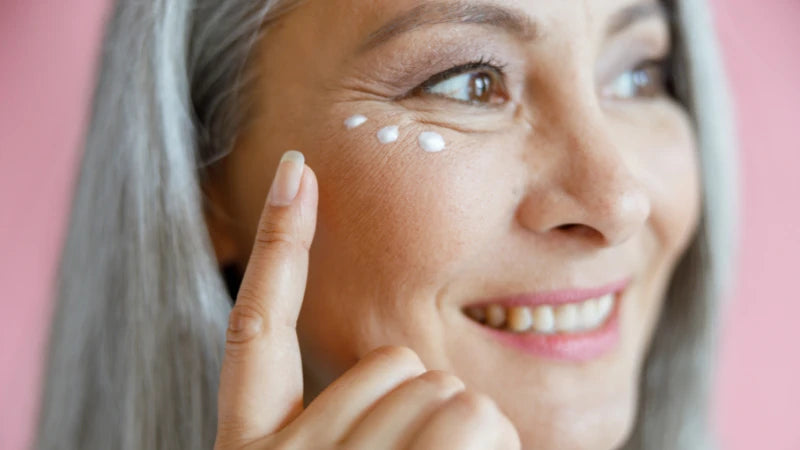
Do You Really Need Eye Cream? Or Is It a Scam?
Do you really need an eye cream? We think so, which is why we’re so excited to announce the arrival of Active Eyes, our specialized retinol peptide eye serum. More than just another moisturizer, Active Eyes is a powerful (yet gentle) age-beautifying serum that reduces the look of lines around the eye area. It also nourishes for firmer, smoother, brighter and hydrated skin, and is suitable for all skin types. Shop Active Eyes But, what if your beauty counter is already overflowing with serums, moisturizer, cleansers and toners? Is it worth your time, effort and money—not to mention the real estate on your bathroom counter— to add an eye treatment to your skin care routine? The answer may surprise you. What Is the Purpose of Eye Cream? An eye cream is a treatment that’s been specifically formulated to target skin concerns under the eye, on the eyelid and the skin around the eye. Some of the ingredients may be like those you’ll find in other creams or serums designed to be used on the face, but they may be present in a lower concentration to ensure that it’s safe for the delicate skin around the eyes. Skin isn’t just skin, and different parts of your body are covered with different types of skin. Eyelid skin is thinner and more fragile than the skin on the rest of your body and because of this, it shows signs of aging sooner than other areas of your face. It also doesn’t have any oil glands so needs more moisture to prevent dryness. Gentle care is non-negotiable. Active Eyes Serum What Ingredient Is Best for Under Eye? Choosing the right ingredients depends on your skin concerns. And whether it’s dark circles, fine lines, crepiness or undereye puffiness, if you’re starting to notice changes to your undereye area, then you should consider using a dedicated treatment. 1. How Can I Remove Dark Circles Under My Eyes? Lack of sleep, but also allergies or the natural aging process may be the reason for dark circles, which also tend to be more common amongst people of color. They may look purple or blue to dark brown or black in color, and while they’re rarely cause for concern, you may want to reduce their appearance for cosmetic reasons. Getting adequate sleep or changing your diet can improve dark circles. But, if they’re a result of aging, due to a loss of thinning skin, reduced fatty tissue, hyperpigmentation, or sun damage, you’ll need a treatment with ingredients that help to brighten the area. Niacinamide, antioxidants like vitamins C and E, and specialized brightening agents, like white bark extract (found in Active Eyes) are just a few examples of ingredients that can help. 2. How Do I Get Rid of the Wrinkles Under My Eyes? The best ingredient to help minimize the appearance of wrinkles and fine lines is a retinoid. Active Eyes contains a stable, encapsulated form of retinol, at a concentration suitable for the delicate eye area. It helps to boost the production of collagen and increases the skin’s natural renewal process, helping to smooth the appearance of wrinkles, and improve firmness as well. The formulation is supported with peptides, that further help to reduce the appearance of wrinkles and deliver smoother skin. 3. How Do You Get Rid of Eye Bags? Eye bags are a result of the natural aging process, when the tissues and muscles around your eyes, weaken, leading to puffiness. A build-up of fluid can make this look worse. There aren’t many ingredients that can help to eliminate under eye bags long-term, but you can try the following for temporary results: Cold compresses Reduce fluid consumption or salt Sleep with your head slightly raised to prevent fluid accumulation Eliminate allergens that can contribute to eye bags What About Caffeine? Caffeine helps to shrink the size of blood vessels and can help to reduce the appearance of eye bags. But, the effect is temporary. So before forking over $$$ on a product, considering applying cool, wet teabags instead. They work just as well! Shop Eyes Are Eye Creams Harmful? As long as they’re formulated well, eye skin care products are not harmful. But, as with starting any new skincare product, exercise care. Retinoids and exfoliating acids may appear in concentrations that are too harsh for the eye area. Moisturizers may be too heavy, possibly leading to clogged pores and milia—tiny, milky-white spots, which appear just beneath the surface of your skin. Although harmless, the appearance of milia may bother you. If in doubt, a patch test is always a good idea. Apply a small amount to an area daily for three to five days and monitor for any unwanted reactions. What Can I Use to Moisturize Around Eyes? You can absolutely use your face moisturizer to treat the skin around your eyes. If it doesn’t irritate your eyes and provides a sufficient amount of moisture, you’re good. Take care to avoid very heavy products, which can lead to blocked pores. Our Daily Infusion Moisturizer is a fantastic option if you need further hydration around the eyes. However, if you’re using a dedicated eye treatment, you may not need a moisturizer. Active Eyes contains glycerin, a highly hydrating humectant, which helps to draw moisture into the skin. What Is the Correct Way to Apply Eye Cream? Wash your hands. Freshly washed hands minimizes the chance of introducing germs around your eyes. Use the right amount. In general, a pump or half a pump of eye cream or serum per eye should be enough, because they tend to be super concentrated and also because you are treating a very small area. We prefer pump application to keep your product safe from contamination. Squirt or dab the appropriate amount of serum onto the back of your hand. Use your ring finger. Dip a finger into the serum and use it to make a semi-circle of small dots, along the bone under your eye. Gently tap in. Dot cream between the edge of your eye and your temple (on the side of your eye, where fine lines and wrinkles often appear first). Gently tap in. Dot cream/serum in a semi-circle under your brow line. Gently tap in. If it’s ok to apply to your eyelids, do that and then gently tap in. (Test first if you’re not sure it’s suitable for this area). Use as directed. Most eye creams are designed to be used both morning and night and will be most effective when used consistently. If you prefer to apply your eye serum just once a day, do it at night, which is a good time for your skin to repair and regenerate. Don’t Forget | Additional Eye Cream Tips Sunscreen is safe and essential to ensure protection against sun damage, even around the eye area. It’s important to use it every day. Sunscreen can sting and burn eyes so you may have to try several formulations before landing on one that works for you. Mineral based sunscreens (with zinc oxide or titanium dioxide), powder formulations or sticks may be good options. Last, cleanse. But do it gently!
Learn more
5 Tips to Help You Care for Your Menopause Skin
Menopause marks the date one year after a woman’s last period and it can bring about some noticeable, and often, unwanted changes to your skin and hair. Yup, that includes the dreaded chin hairs! Menopause skin’s appearance can change for many reasons and we’ve written about that before. The production of hormones—our body’s chemical messengers—may increase or decrease, and, the impact of your lifestyle and genes are bound to catch up with you. Shop Intimate Care Feminine Moisturizer Shop Active Treatment Serums These 3 Hormones Have the Most Impact on Your Menopause Skin Our bodies produce lots of hormones, but these 3 are most implicated in the skin changes you may notice. 1. Estrogen The mother of hormones in women, estrogen levels decrease as you age, leading to a drop in collagen and elastin production. Menopause skin ends up being thinner, saggier and more wrinkled. It also becomes drier because estrogen is involved in the production of hyaluronic acid, which helps to keep the skin moist. This can affect the skin not only on your face, but also on the rest of your body and is one of the reasons that so many women experience vaginal dryness as they transition to menopause. 2. Progesterone Like estrogen, progesterone levels drop with age. This hormone has been shown to increase skin thickness and elasticity so a decline will have a noticeable impact on your skin. 3. Testosterone Thought acne was something you only had to suffer through your teen years? Sadly, aging tends to increase testosterone levels and is a reason why women may suffer with acne and blemishes at midlife. Chin hairs? You can blame testosterone for those as well! Ready for better skin? Sign up to our newsletter and take advantage of the tips we’re sharing to help you treat the skin on all your body’s places and age with confidence, comfort and grace. Plus get 10% off your first order! 5 Tips for Radiant, Glowing Menopausal Skin 1. Wear Sunscreen Every Day (And consider adding in an antioxidant) Sun damage accounts for over 80% of skin damage–unprotected exposure to ultraviolet rays contributes to brown spots, thinning skin, dryness and wrinkles. Find a good broad-spectrum sunscreen, with a minimum SPF 30 protection and use it every day, year round. Even in the winter, on cloudy days and when sitting next to a window, long-penetrating UVA rays can lead to damage. Layer on an antioxidant along with your sunscreen to help boost protection against the damaging impact of UV rays—they result in free radicals, unstable molecules that harm skin. There are lots of antioxidants you can choose, green tea, reservatrol, coenzyme Q10, ferulic acid. We love them all but especially vitamin C because it has oodles of research to support its benefits in boosting collagen production, brightening the skin and evening out its tone. You can never use too many antioxidants – the more the merrier! Check out our Bespoke Vitamin C Serum, made with a cocktail of antioxidants and other skin beneficial ingredients to help make your skin glow. 2. What is the Best Moisturizer for Menopause Skin? Menopause skin is drier for several reasons, including a decreased ability to hold onto moisture. It can be an issue especially in areas where the air is dry. Moisturize as much as you need, making sure to include these 3 types of ingredients: Humectants. Water loving ingredients that draw moisture into the skin’s top layer. ie. Hyaluronic acid, glycerin, propanediol Emollients. Prevent water loss and help soften and sooth skin. ie. Oils and butters including shea, squalene, fatty acids and fatty alcohols. Occlusives. Provide a physical barrier to help prevent water loss, while also protecting the skin from external irritants. ie. Waxes, some oils and petrolatum. *some ingredients can be both emollient and occlusive (caprylic/capric triglyceride, glyceryl stearate, squalene, shea butter, etc) Many moisturizers, including our Daily Infusion Moisturizer contain a combination of these 3 ingredients. Especially dry skin can benefit from layering—start off with a serum, follow with a moisturizer and then end with an oil like our Antioxidant Face Oil. 3. Become Friends With a Retinoid Retinoids are backed by multiple studies that show their benefits in helping to reduce fine lines and wrinkles by boosting collagen and elastin production. They also help to increase skin cell turnover, fade age spots, even out pigmentation and soften skin. Give it time – you’ll notice benefits with 3 to 6 months of regular use. Retinoids can irritate skin, so you may want to introduce them gradually. We’re big fans of retinaldehyde, found in our A is for Anti-Aging Serum because it is the most gentle, yet still highly effective form of retinoid. Retinaldehyde also decreases oil production and has antibacterial effects so it can also help to manage blemishes that many women experience at midlife. 4. Be Gentle You may be tempted to throw the kitchen sink at your menopause skin, but too much, is definitely too much! Be selective with the products you choose, watching out especially for those that contain irritating ingredients like drying alcohols and fragrances. Go easy on acids, which can thin skin leaving it open to irritation from external irritants; use gentle cleansers, especially if you have dry skin. And use warm, not hot to shower and wash your face. 5. Pay Attention to the Skin on All Your Body’s Places You pay attention to your face, but are you looking after the skin on the rest of your body? Dry skin is an issue in places you may not have considered—that includes vaginal dryness, which more than 50% of women suffer with during perimenopause and menopause. The burning, itching and painful intercourse associated with vaginal and vulvar dryness can be treated with a vaginal moisturizer. More Than Lip Service is made with hyaluronic acid (an ingredient that hydrates skin and which naturally declines as we age) and vitamin E, to give fast, long-lasting & hormone-free relief from the burning, itching & pain associated with vaginal atrophy, vulvar and vaginal dryness. In clinical studies, the combination was shown to be just as effective as hormonal options, without the risk of side effects associated with hormonal solutions. And, unlike many lubricants that just slip right out, ours not only immediately alleviates dryness symptoms but also lasts so long, you may not even need to use it every day.
Learn more
7 Reasons Why You've Got Dull Skin. Let's Get Your Glow Back
If you have dull skin, you need to know that all is not lost. Dull skin is fixable! In this post, we’re diving into why your skin is dull and sharing tips on how to get your radiant glow back. Vitamin C Matters! Vitamin C is one of the ingredients most well known to help revive dull skin into radiant, glowing skin. It is found in our skin’s outermost layers (epidermis and dermis) but it depletes as we get older. Sun damage and pollution can accelerate this decline, leading to skin that looks and feels dull, uneven and less firm. Replenish it with our Bespoke Vitamin C Serum, available in two concentrations 10% (for sensitive skin) and 15% (for normal/tolerant skin). Shop Bespoke Vitamin C 15% Shop Bespoke Vitamin C 10% Why Does My Skin Look Dull and Tired? 7 Reasons 1. You’re Drowning In Dead Skin Cells I know, ewww….You may not know it, but we shed millions of skin cells each day. Most of them just stay put at the top of our skin’s surface, acting like a fine layer of dust, leaving us with skin that looks dull and grey. The Fix? Exfoliate. Remove the dead, dry skin cells so that the new ones can shine through. Ingredients like alpha hydroxy acids and vitamin c (l-ascorbic acid) found in our Bespoke Vitamin C Serum, help to dissolve the dead skin cells, leaving you with brighter looking skin. Scrubs work too (manual exfoliation), but it’s easy to apply too much pressure so we recommend sticking with treatments (like serums) that ‘dissolve’ the skin cells instead. 2. Pollution Every time we step outside, we’re exposing our skin to polluted air, which contains dirt and gases like nitrogen dioxide, ozone, carbon monoxide and sulfur dioxide, which are harmful to skin. These can lead to the development of free radicals. Over time, free radicals damage skin, leading to wrinkles and fine lines plus pigmentation. This uneven skin tone and texture, diffuses light and leaving skin looking dull. The Fix? Wash your face every night to remove dirt and makeup, which can damage skin while you sleep. 3. You’re Stressed Out Stress is inevitable for most of us. It has an impact on our overall wellness and also on our skin. Prolonged stress not only makes you more tired over time, it also impacts the levels of the stress hormone cortisol, along with adrenaline. Increased levels of these hormones caus our heart rate to go up, our blood pressure to rise and sugar to accumulate in our bloodstream. Cortisol increases oil production, leading to acne or sensitive skin. Plus, its presence can increase the break down of skin components like collagen and elastin leading to wrinkles, lines and you got it, dull skin. The Fix? Getting stress under control will help, so try to do that as much as you can. When it comes to your skin, focus on gentle cleansing (our Cloud Nine Foaming Cleansing Crème is a great option) along with moisturizers and treatments rich in antioxidants, and other skin nourishing ingredients to help combat the impact of stress. 4. Blame Your Hormones Fluctuating hormone levels, like those we experience through puberty and menopause, can affect our skin’s appearance. Beyond acne and blemishes, menopause leads to a dip in estrogen levels, which can result in skin that’s drier, leaving it looking dull and lackluster. The Fix? Switch to more hydrating moisturizers and and apply them more often if needed. Consider adding in oils like our Antioxidant Face Oil. Also, lifestyle changes can help to help combat the dryness. More in this post. 5. Your Skin is Dehydrated Without enough hydration, dull skin often follows. Moisture helps to plump up skin cells, leaving them looking more radiant. This isn’t about drinking more water, because increased water consumption can’t make it’s way to dry skin. The Fix? Topical treatments that contain both humectants (like glycerin and hyaluronic acid), attract moisture into skin and emollients (like plant oils or fatty alcohols), soften skin, leaving skin looking less dry and dull. If your skin is particularly dry, add in occlusives (like lanolin, oils and butters) to trap in moisture. 6. Choose Your Drinks Carefully Alcohol and caffeine are dehydrating and can lead to skin that is dry and dull. The Fix? Enjoy them in moderation, swapping out for herbal teas, and non-alcoholic or low alcohol alternatives when you can. 7. Skipping out on Sunscreen UV rays are one of the biggest causes of skin damage. Over time, unprotected exposure to the sun’s rays can damage your skin’s protective barrier, leaving skin looking tired, dark and dull. The Fix? This one’s pretty straightforward – wear your sunscreen every day! What Products Are Good for Dull Skin? If the solutions above weren’t enough, consider the following: 1. Add a Serum to Your Routine Serums are often formulated with high concentrations of active ingredients to help brighten, boost hydration and diminish the signs of aging. Vitamin C serums brighten skin tone, while retinoids help to boost collagen production, pushing away old skin cells and allowing fresh, new ones to come to the surface. There are many forms of vitamin C to choose from – all are great antioxidants but have different effects. L-ascorbic acid has the most skin-related research of any form of vitamin C. Other beneficial forms supported by research include tetrahexyldecyl ascorbate, sodium ascorbyl phosphate, ascorbyl palmitate, magnesium ascorbyl phosphate, ascorbyl palmitate and ascorbyl glucoside. 2. Ditch the Aggressive Cleansers Avoid harsh scrubs and drying soaps, which can irritate skin leaving it looking red, tight and flaky. 3. Stick With Lukewarm Water Hot water can strip away natural oils, disrupting the skin’s protective barrier and leaving it open to dryness (hello dullness) and irritation. 4. Consider a Procedure Topical treatments and lifestyle changes can go a long way but sometimes you may need a bit more help from your dermatologist. Check in with one if you need more help.
Learn more
Here's How to Treat Dry Skin as You Get Older
Here’s how to treat dry skin, an inevitable skin change that comes with aging. In this post, learn about ingredients and tips that will lead to softer, smoother and more touchable skin. At Apothekari, our moisturizers are one of the best ways to manage dryness from head to toe. Shop Moisturizers Why Causes Dry Skin As You Get Older? Your skin ages in two main ways: 1. Extrinsic Aging Extrinsic aging is related to the impact of the environment on your skin. This includes exposure to the sun, pollution and smoke, plus diet and lifestyle factors. Stress, sleep, exercise all contribute to extrinsic aging. Together, they can lead to skin thickening, freckles, age spots and some precancerous changes such as actinic keratosis and skin cancers themselves. The sun’s UV rays damages collagen, elastin and other elements that lead to skin that sags, stretches, and loses its ability to snap back after stretching. Mature skin may also become drier, bruise and tear more easily, and take longer to heal. 2. Intrinsic Aging Intrinsic aging is something that we can’t fight against and which occurs as part of the natural aging process: Thinning of the dermal and epidermal skin layers, resulting in a smaller supply of nutrients to the cells A decline in the production of new skin cells and skin supportive fibers (collagen, elastin, etc) A decreased ability to retain moisture A decline in levels of the hormone, estrogen. Estrogen not only stimulates oil glands, which helps keep skin hydrated, it also helps to maintain the skin’s structure. Dryness affects the skin on all of your body. This includes your face, arms and legs, plus parts of your body, you may not have considered, like your vulva and vagina. More Than Lip Service Vulvar and Vaginal Moisturizer offers fast, hormone-relief for when you experience dryness down there. What is the Best Natural Ingredient for Dry Skin? Whether skin is mature or younger, a good moisturizer is key to help treat dry skin. Moisturizers work by either providing hydration, or by helping to prevent its loss, and they contain 3 main classes of ingredients: Humectants: Help to attract moisture to the skin. Glycerin, hyaluronic acid, urea and aloe vera are humectants. Emollients: Smooth and soften skin by helping to repair cracks in the skin barrier. They prevent moisture loss. Butters, oils, esters, lipids, and fatty acids are all considered emollients. Occlusives: Work by forming a protective coating on your skin’s surface, forming a protective barrier that locks moisture in and keeps harmful particles out. They tend to be oily or waxy. Petrolatum, lanolin, beeswax, jojoba oil, and olive oil are examples. Occlusives like oils, can also be emollients. Each class of ingredient provides benefits of its own, and they’re often combined together for the best results. For best results apply them to slightly damp skin to help lock in the moisture. What is the Best Thing for Dry Skin | Top Tips Using moisturizer is an essential step in dry skin management, but there are many lifestyle changes that you can implement to help as well: Introduce Humidity. The drier the air, the drier the skin. It’s a lesson, I re-learn every time I travel to the desert-like climate in Arizona. Consider using a humidifier in the room where you spend the most time, which, for many of us, is the bedroom. Change Up Your Diet. Increasing your intake of foods rich in omega-3 fatty acids has been shown to help improve the skin’s oil production, improve hydration and minimize the signs of aging. Look for them in nuts (walnuts are a rich source), olive oil, avocados and salmon. Watch Your Alcohol Consumption. Ah yes, a glass of red wine on a Friday evening is very appealing. We’re not telling you to give it up completely, but alcohol, along with caffeine, act as diuretics that can lead to dehydration and drier skin. Up the water intake to help counteract the effect if you can. Exfoliate. No matter how much you moisturize, dry skin will stay dry without some light exfoliation. For the face, check out our AHA-Mazing Clean Cleansing Gel and our Bespoke Vitamin C Serum, which hydrates and exfoliates as well. Cleanse Gently. Harsh cleansers can strip away skin’s protective natural oils. Choose one that is gentle—the one we’ve linked to above is gentle, yet also effective. Add In An Oil. If you’re already using a moisturizer and skin is still dry, consider adding in an oil. These help to lock in the moisture delivered by a moisturizing cream or lotion, relieving dryness even further. Our Antioxidant Face Oil is a boon to drier skin on the face while our Lemon Rose Body Oil offers luxurious hydration post shower or bath. Water—but, don’t make it hot! Hot water strips away skin’s protective oils. Switch to lukewarm and stay away from hot water when you shower, bathe or wash.
Learn more
Why a Vaginal Moisturizer May Be Important to Your Health
You may not be aware of it, but a vaginal moisturizer may be essential to your wellness if you’re navigating your way through perimenopause or menopause. We’ve written about vaginal dryness before – a condition that affects more than 50% of women over the age of 50. Vaginal dryness and its associated symptoms can have a significant negative impact on your quality of life. But, because it’s not talked about much, you may not even be aware of the symptoms caused by vaginal dryness. It’s still considered a hush-hush topic by many, but, we’re here to change that! Find out how to tell if a vaginal moisturizer can help you to manage your symptoms, feel better and embrace life again. Shop Intimate Care More Than Lip Service Vaginal Moisturizer is a hormone-free moisturizer that gives you fast, effective, hormone-free relief from vaginal dryness and its symptoms. Formulated by our pharmacist owner, it allows you to embrace life again! What Causes Vaginal Dryness? Vaginal dryness isn’t experienced by women in menopause only—it’s a condition that can be experienced by any women, at any point in her life. It’s usually associated with a drop in estrogen, the hormone that helps to keep vaginal and vulvar tissue healthy with lubrication, elasticity and the right acidic pH. You may experience a drop in estrogen for several reasons including: Breastfeeding Childbirth Cigarette smoking, or Menopause/perimenopause. Some medications like anti-estrogen pills, allergy and cold medicines, oral contraceptives and some anti-depressants can also cause estrogen levels to drop. Perfumed soaps and washes, douches and certain medical conditions like Sjogren’s syndrome and some immune disorders can also contribute to dryness. More Than Lip Service Vulvar and Vaginal Moisturizer offers fast, hormone-relief for when you experience dryness down there. Is Vaginal Dryness Normal? Here are the Symptoms Vaginal dryness can be quite uncomfortable, leading to soreness or itching in and around your vagina and vulva; pain or discomfort during sex; a more frequent need to pee. It can also lead to recurring urinary tract infections (UTIs). Last of all, it can have a serious impact on your desire to engage in sexual activity, which can impact your relationship. Unlike many menopausal symptoms like hot flashes and night sweats, vaginal dryness isn’t something that goes away. And that’s because physical changes in the vagina make it a long-lasting condition. While many women view it as part of aging and just put up with it, help is available. Make sure you get it if you need it. How Can I Increase My Natural Lubrication? Here’s How a Vaginal Moisturizer May Help Although so many women experience vaginal dryness, it’s thought that more than 90% don’t seek help to manage their symptoms, despite there being several ways to treat the condition. Your choice of treatment depends on your personal preference and what makes most sense for you: Vaginal Lubricant. This can help to reduce the discomfort that occurs during sexual activity when the vagina is dry. It works similarly to natural lubrication and helps to decrease friction during intercourse. A vaginal lubricant is designed to be used on an as needed basis. Vaginal Moisturizer. A moisturizer like our More Than Lip Service provides longer term relief than a lubricant and should be used regularly (several times a week) to keep the vulva and/or vagina moisturized. You can use it internally or externally, depending on your symptoms and need. Studies have shown that moisturizers containing a combination of hyaluronic acid and vitamin e (as in More Than Lip Service) provide as much relief as hormonal treatments, but without the potential for side effects associated with hormone use. Hormone Therapy. If you’re interested in exploring prescription options, your doctor can guide you through the choices available. You can choose from creams, rings, patches or pills. Don’t ignore vaginal dryness, especially if it’s interfering with your quality of life. Help is available so make sure you seek it out if you need it.
Learn more