

Blog
All About UV Rays
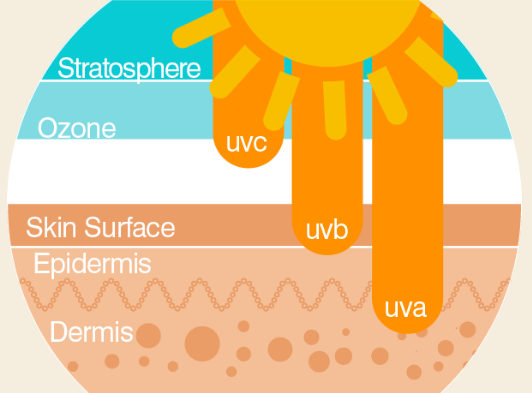
When it comes to the sun and the damage it can wreak upon skin, it’s the sun’s UV rays that we’re concerned about most. In this post I discuss the different types of UV rays and the impact they have on your skin. Plus, I’ll look at ways to protect yourself. Shop All Apothekari The sun emits all kinds of electromagnetic radiation, with 99% of it being rays in the form of visible light, ultraviolet (UV) rays and infrared rays. Visible light helps us see, infrared rays help keep us warm and UV rays carry energy. When it comes to skin, we are concerned with UV rays because the energy contained in them can change the chemical structure of molecules, causing cell damage and possibly deformities by actually mutating its genetic code. About UV Rays There are 3 main types of UV rays – UVA, UVB and UVC. UVA rays have the longest wavelengths, followed by UVB, and UVC rays which have the shortest wavelengths. UV-C is the most energetic and most harmful; UV-A is least energetic and least harmful. Fortunately, UVC rays break apart when they reach the earth’s protective ozone layer so the sun’s UVC rays never reach us. UVC rays can be man-made (as in welding) and they are just as dangerous as the natural ones. UVA and UVB rays reach the earth’s surface and both can be detrimental to our health. Most of the UV rays you come in contact with are UVA with a small amount of UVB: UVB rays have a short wavelength and reach the outer layer of your skin (the epidermis). They are responsible for Burning skin. UVA rays have a longer wavelength and can penetrate the middle layer of your skin (the dermis). They are responsible for Aging skin. Both types of rays can contribute to skin cancer with prolonged exposure. Some medicines, including antibiotics, birth control pills, and topical benzoyl peroxide products, along with some cosmetics, may increase skin and eye sensitivity to UV rays. Tanning booths, mercury vapor lighting (often found in stadiums and school gyms), some halogen, fluorescent, and incandescent lights and some types of lasers are also sources of UV radiation. What About Vitamin D? Although you need exposure to UVB radiation to help produce vitamin D, the amount of exposure necessary depends on several factors including: Your Skin Colour (Darker skin requires longer exposure to UVB rays to produce Vitamin D) Sunscreen Use and Clothing Where You Live (latitude and altitude). UV rays are strongest in areas close to the equator and lower in areas further from the equator because the sun is farther away. Higher altitudes have greater UV exposure because there is less atmosphere to absorb UV rays. Snow, sand, pavement, and water can increase UV exposure due to their reflective properties. How To Be Sun Safe The best way to protect your skin against UV ray damage is to reduce the amount of time you spend in the sun, particularly between the hours of 10 am and 4 pm, when the sun is at its highest in the sky. While this isn’t always possible, there are some additional ways you can protect yourself: Stay out of the sun during the peak sun hours of 10am and 4pm, especially during the summer. Stay indoors or seek shade. Wear hats, protective clothing and sunscreen to cover yourself. Protect your eyes and the skin around your eyes with a large pair of sunglasses. Wear Sunscreen. This is important, even in cloudy weather. UVA rays can penetrate through clouds (and windows) causing long-term damage. Get into the habit of using sunscreen every day, year round. UV rays surround us daily and are one of the biggest contributors to skin damage. It is possible to protect yourself.
Learn more
How To Develop A Skin Care Formula
I know a lot about skin and skin care, but when it comes to creating and manufacturing a skin care formula, it’s time to get the experts involved. Cosmetic formulation is a complex science and despite a solid science background courtesy of my Pharmacy degree, I have nowhere near the kind of expertise or equipment required to devise and manufacture a safe and effective skin care formula. That’s one of the reasons why I’m not whipping up things in my kitchen! Shop All Apothekari You Need A Chemist! When it comes to introducing treatments to the Apothekari line-up, I know what I want. It’s important to deliver products that are both safe AND effective. To this end, I’m comfortable with choosing which ingredients should and shouldn’t be in formulations. I spend lots of time researching by reading scientific papers, pouring over clinical studies and by talking to formulation chemists. Most chemists possess strong science backgrounds, often with a Masters or PhD degree. They also have extensive practical experience in developing and creating effective, safe and stable preparations. Working with a good chemist is key to not only developing formulas and manufacturing great products but also to keep up to date with new developments in formulation, novel ingredients and cutting edge technology. Chemists may send me samples that they are playing with to see if I like how they look, feel and smell. This helps me to refine our offerings at Apothekari and to consider the introduction of new products. While it’s tempting to think of all the money you’ll save by creating your own skin care concoctions, there are many things to consider. Some recipes are terrific for DIY. In addition to it being fun, you can also save yourself a bit of cash and I’d never suggest that you should shy away from enjoyable projects like facial masks, which you will use immediately and not keep long term. However, when it comes to more complicated serums, which contain lots of active ingredients and an array of botanicals, sunscreens or treatments designed for around the eyes, it’s probably best to leave it to the experts unless you know what you’re doing. In addition to the possibility of creating something that just doesn’t work, you may also end up with a skin care formula that is downright dangerous. Here are just some of the considerations involved in designing a skin care formula that is safe, effective and pleasing to use: Are The Ingredients Supported By Science? Are they found in the right concentrations to deliver their action? Will The Product Maintain Its Integrity Over Time? Will it separate or clump? Is the Preparation Adequately Preserved? Most skin care products should contain preservatives to prevent contamination with bacteria, mold and fungi. Does the Formulation Make Sense? For example, will the combination of ingredients work well together? Can we cut something out? Add something different in? Is the pH Optimal for Efficacy? Can you Mix the Ingredients Together? For example, you may want to mix oil soluble and water soluble ingredients together. This is possible, but you will require additional ingredients like emulsifiers or solubilizers to keep the formulation intact. If you don’t, the mixture will separate and become unappealing and unusable. Do you Have the Right Equipment? While not always necessary, some formulations require heaters, high speed mixers or other specialized tools. Additionally, you need a clean environment – something like a dedicated lab and not your kitchen counter. It May be Effective but is it Pleasant to Use? While many ‘hand-crafted’, natural and/or artisanal skin care products are lovely, many more are heavy, greasy and not at all what most of us would want to put on our skin! I’m sure that I’ve missed several aspects regarding formulation, but I hope that this post provides a bit of insight into the complexities involved with creating products that deliver results. Let me know what you think.
Learn more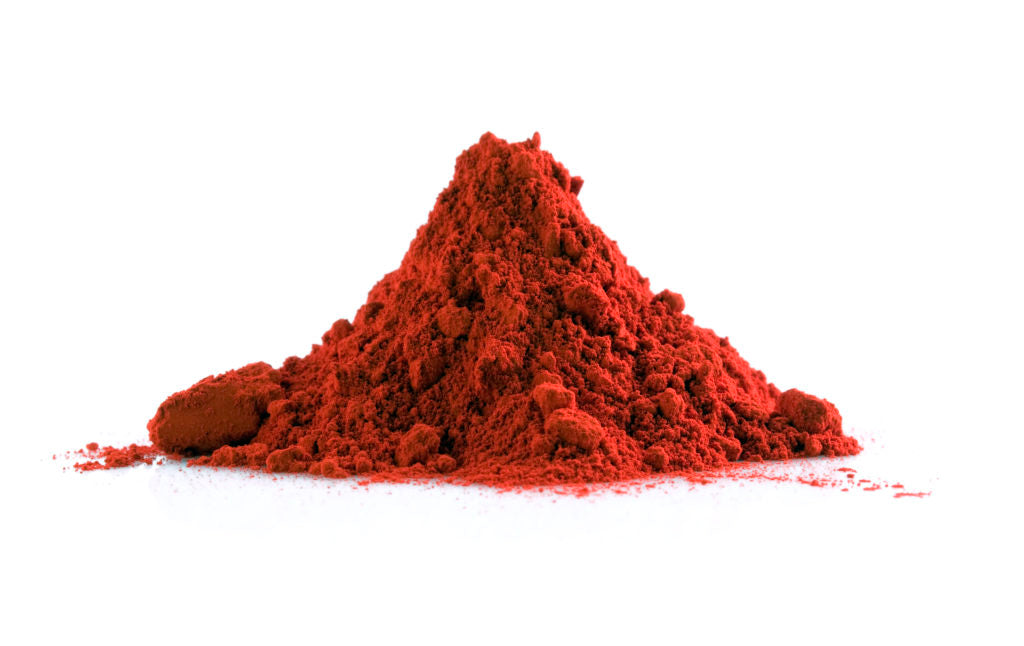
Astaxanthin Skin Benefits
Astaxanthin skin benefits are not widely known. More potent than its famous relatives Vitamins C and E, astaxanthin packs an antioxidant punch that helps protect skin from free radical damage. It belongs to a class of substances called carotenoids and is found in microalgae, yeast, salmon, krill, shrimp and some wild berries. Shop Bespoke Vitamin C 10% Shop Bespoke Vitamin C 15% Studies have shown that astaxanthin has a number of health benefits such as increasing strength and endurance, fighting against diabetes complication, protecting eyes from cataracts and glaucoma, reducing risk of cardiovascular disease, preventing cancers, and assisting in neurodegenerative conditions such as age-related macular degeneration (AMD), Alzheimer’s and Parkinson’s when taken internally. It’s also been shown that astaxanthin skin benefits exist. Astaxanthin Skin Benefits Include: Sun Protection. While it doesn’t shield against or absorb UV light, astaxanthin helps to reduce the development of free radicals and also to scavenge them after their formation, rendering them less harmful. Anti-inflammatory. This benefit helps protect the skin against sunburn and soothes a sunburn after it develops. Apply an astaxanthin skin serum along with your sunscreen to deliver effective sun protection each day. Stimulates Collagen Production. A study showed that crow’s feet wrinkles and elasticity improved after treatment with astaxanthin. Find astaxanthin in a number of facial creams and serums including our Apothekari Bespoke Vitamin C Serum. Available in a 10% and 15% concentration, it’s supported by L-ascorbic acid, ferulic acid, green tea extract plus other potent antioxidants to hydrate, protect and brighten skin, giving it a more youthful glow.
Learn more
Summer Reads 2017
Last time I checked, school was out and I was looking forward to a long summer filled with dinners outside, hikes through local trails, days on the beach and me reading a few novels. Here it is mid-August and while I’ve had a wonderful summer so far, it is flying by way too fast! Shop All Apothekari I love (and have time) to read on holidays but this being the year of the Staycation, time has been limited. This of course, doesn’t stop me from buying books because I’m always adding to my collection, waiting for the perfect time to dive in. I’m also a member of a book club so there’s never a shortage of choice. I’ve just finished reading The House Girl, a novel by Tara Conklin that alternates in time between pre-Civil war Virginia and modern-day New York. I loved the detailed historical description of life on the plantation – awful as it is. Well researched, it has a story line about slavery reparations, which was a different angle to many novels set during this time period. Conklin did a good job on creating empathetic characters and I thought it was a solid summer read. Still gracing my shelves and awaiting the perfect opportunity to get started are the following: Calico Palace by Gwen Bristow. Having loved the tale Eleanor Catton crafted in The Luminaries, I stumbled upon this novel, which seems to have a similar vibe. Published in 1970, it’s a romance/historical novel/adventure story that brings the California Gold Rush to life. Contrasting the focus on New Zealand’s goldfields in Catton’s novel, it’s apparently got lots of twists and turns and is dubbed as a powerful feminist book. Looking forward to this one! Station Eleven by Emily John Mandel. Published in 2014, this book was on the NY Times Bestseller List and has won several awards. It’s been on my wish list for a long time and I finally picked up a copy. Dubbed as a suspenseful science fiction read, it’s not something I’d normally choose, but the reviews have been so glowing, that I can’t wait to get started. Hum, Even if you don’t Know the Words, Bianca Marais. I was born in South Africa and upon reading the excerpt of this novel, I couldn’t help but fall for this book. It doesn’t hurt that it has received glowing reviews. Set in Apartheid-era South Africa, it claims to examine loss, racism, and the creation of family. Although it’s been decades since I emigrated to Canada with my family, part of my heart will always reside in this glorious but still troubled country. What are you reading this summer?
Learn more
Probiotics For Skin: Worth the Hype?
Are Probiotics for Skin Care Worth the Hype? Manufacturers of probiotics claim a host of benefits to our general health, but studies have shown more moderate ones from these ‘friendly bacteria’: A reduction in diarrhea (infectious and associated with antibiotic use) Certain probiotic strains help in mild to moderate ulcerative colitis (a type of inflammatory bowel disease) and possibly for bloating and gas in irritable bowel syndrome (IBS) Some strains help improve stool consistency and frequency of bowel movements in people with constipation Probiotics have been linked to enhanced immune responses against colds and the flu but the research is inconsistent. While considered safe overall there’s not a lot of solid evidence to recommend their widespread use. This doesn’t mean that probiotics aren’t beneficial, just that we need larger, longer and better studies to give them a firm thumbs up. Shop Daily Infusion Moisturizer Probiotics and Our Skin Of late, you’ll notice an increasing number of probiotics for skin treatments in the market. Should you consider using them? It’s first important to understand a bit about our skin. Our skin hosts a number of bacteria which live in harmony with us when our skin is healthy. When skin is compromised, however, these bacteria can become harmful, as occurs with acne. We can also acquire dangerous bacteria from the environment which can put us at risk from infection. Our normal skin bacteria along with a slightly acidic pH, sebum content, hydration and our skin’s barrier function helps to protect us from external bacteria. Topically applied probiotics are live bacterial cultures that can influence the composition of skin bacteria. Through a fermentation process, probiotic bacteria produce acidic compounds like lactic acid, helping to maintain an acidic pH, which discourages the growth of most harmful bacteria. However, bacteria are not allowed in skin care! Cosmetics demand testing for bacteria and laws allow for only a few harmless bacteria and NO disease-causing bacteria. So when you see a skin care product advertised as a probiotic one, it most likely contains dead bacteria or extracts that are free from bacteria. You are paying for nothing! Daily Infusion Moisturizer Keep in mind as well, that cosmetic formulas are usually quite complex and contain a number of ingredients, including preservatives to discourage microbial growth. Even if a manufacturer did manage to get away with putting good bacteria into a topical formulation, preservatives that are effective would kill them. An alternative to probiotics in skin care are ‘prebiotics’, non-digestible plant-based carbohydrates that discourage the growth of harmful bacteria while preserving and encouraging the growth of beneficial ones. Prebiotics are easily incorporated into skincare products and make an excellent alternative to live bacteria. You can find prebiotics in our Daily Infusion Moisturizer. Probiotics for skin care? More misguided marketing. Try a yoghurt mask instead!
Learn more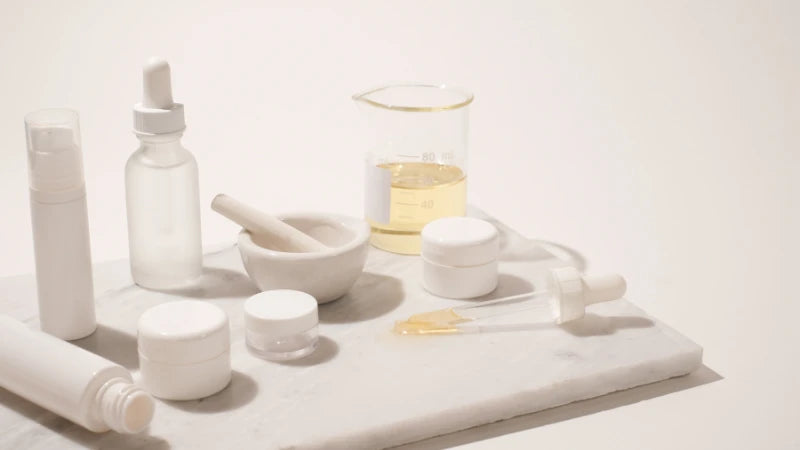
Why Squalane Is Good for Your Skin
Squalane is an oil naturally occurring in the skin’s sebum and is also essential in the synthesis of cholesterol, steroids, and Vitamin D in our bodies. About 10 – 12% of our skin surface is made of squalene but production declines as we age and by age 50, our skin is thought to contain only 5%. Traditionally sourced from shark livers (where the compound squalene is converted to squalane to make it more stable), squalene is now (happily) sourced primarily from olive oil and sugar cane and converted to the more stable squalane for use in cosmetics. Shop Daily Infusion Moisturizer What Does Squalane Do for Your Skin? Squalane lubricates and protects and is widely used as a conditioner, emollient and carrier oil. Because it’s naturally found in skin, our bodies love it. It helps prevent UV damage, helps to regenerate cells and has antibacterial properties. While you can use it straight up, you can also find this ingredient in a range of products including emulsions, balms, facial serums and massage oils, or as a carrier for essential oils. It absorbs quickly, boosting the skin’s ability to retain moisture making it ideal for even really dry and chapped skin. It also enhances the skin’s natural barrier function, warding off external damage. And, it does this without clogging pores. Daily Infusion Moisturizer Beyond being an excellent moisturizing ingredient, squalane has been shown to possess antioxidant properties, helping to protect skin against free radical damage. I love this ingredient because it does so much! You can find squalane in our Daily Infusion Moisturizer where it’s combined with Fructooligosaccharides (naturally occurring sugars) and Caprylic/Capric Triglyceride to deliver hydration without any hint of oiliness. It’s a firm customer favourite at Apothekari!
Learn more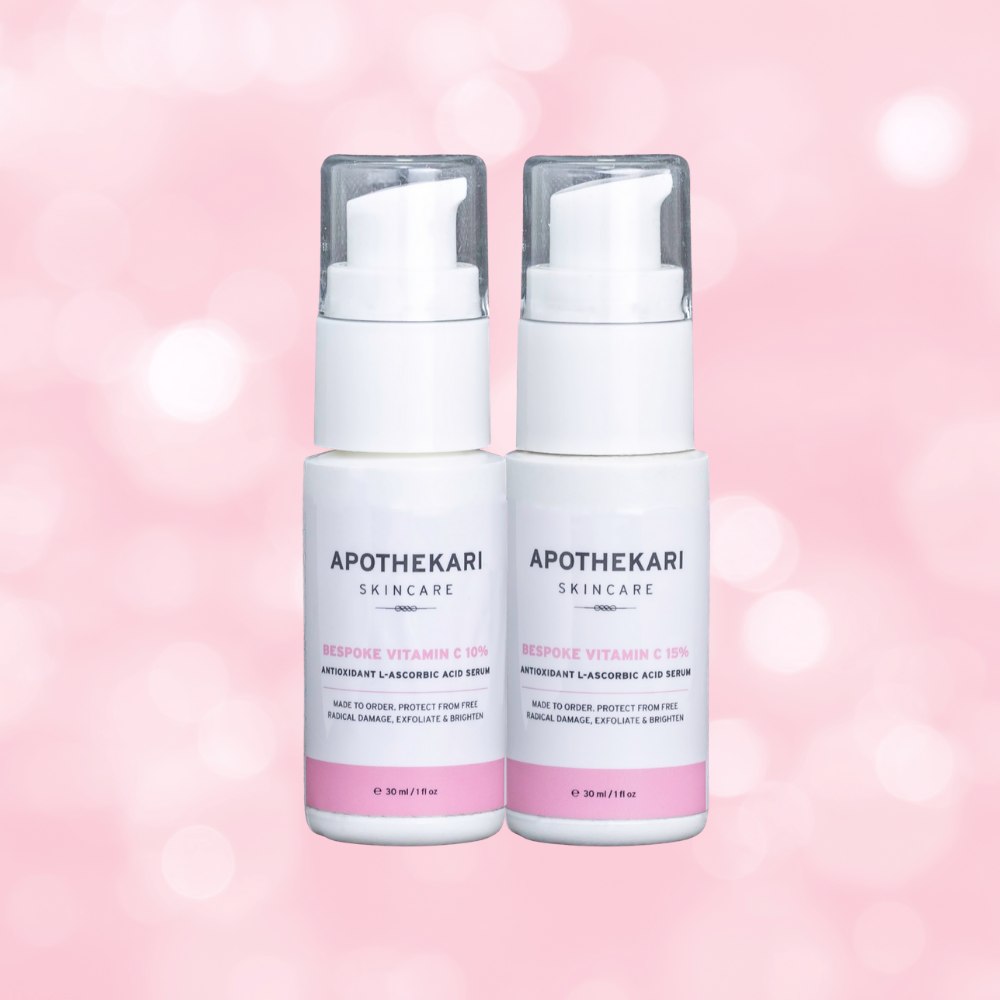
Why Your Skin Needs an Antioxidant Serum
Want to know why most skin care professionals recommend incorporating an antioxidant serum into your daily skin care regimen? This post explains exactly that. Shop Bespoke Vitamin C 15% Shop Bespoke Vitamin C 10% Simply put, an antioxidant is a molecule that inhibits the oxidation of other molecules. Oxidation is a chemical reaction that can produce free radicals, harmful substances that we hear a lot about when it comes to skin. You may have also heard free radicals described as Reactive Oxygen Species – ROS, which is a term used to describe them in living organisms. Free radicals hasten the aging process by contributing to chain reactions that ultimately may damage cells. Because they react with whatever is around, they can attack DNA, proteins and lipids, permanently changing their structure. When it comes to skin, the end result is damage, which we see as fine lines, wrinkles, hyperpigmentation and some types of skin cancer. Because free radicals also trigger inflammation, they have been associated with a breakdown of collagen, which leads to skin sag. Unlike free radicals, antioxidants are stable molecules. They help by donating one of their electrons to a free radical, thereby stopping the chain reaction that causes damage. Fortunately, our bodies manufacture a number of important antioxidants to help combat free radical damage. This includes glutathione and enzymes such as catalase and superoxide dismutase. The recommendation to eat (or in the case of your skin, to apply) antioxidants such as vitamin C, vitamin E and others is to help top up your body’s antioxidant store if too many free radicals are present. There is a lot of research to support the topical application of antioxidants, which have been shown to help protect skin from damage caused by UV rays, pollution and smoke. There isn’t one ‘miracle’ antioxidant and your skin benefits from a mix. The following have good clinical studies to support their efficacy in skin care: Vitamin C. The L-ascorbic acid form is backed by the most science Vitamin E. Works in tandem with Vitamin C to protect skin Ferulic acid. Helps to boost the stability of vitamins C and E Green Tea Polyphenols – Epigallocatechin-3-gallate (EGCG) is thought to have 25-100 times more antioxidant ability as vitamins C and E. Green tea contains other polyphenols (epicatechin, epicathechin-3-gallate, epigallocatechin) with excellent antioxidant activity. Superoxide dismutase and catalase. Enzymes found naturally in our bodies. Resveratrol. Genistein. From soy. Lycopene Coenzyme Q10. This list is by no means exhaustive and as more research becomes available, it’s certain that we’ll discover additional antioxidants that can help skin. Our Bespoke Vitamin C Serum, available in both a 10% and 15% concentration, contains Vitamin C (as L-ascorbic acid), Vitamin E, green tea plus additional antioxidants in a light, hydrating formulation to protect, repair, brighten, exfoliate and more. Which Antioxidant Serum is Right For You? As with any skin care product, your antioxidant serum must be formulated appropriately to ensure that it is stable, can penetrate your skin and contain a high enough concentration to do its job. This is where sticking with a reputable brand makes sense. The following guidelines will help you to find one that works: To get the most bang for your buck, seek out ingredients that deliver more than just antioxidant protection. For example, Vitamin C not only protects against free radical damage, but also brightens skin tone and promotes collagen synthesis at higher concentrations. Opt for a product with a combination of ingredients, which usually performs better than just one single trendy ingredient. Apply antioxidants in the morning prior to UV exposure. UV rays are one of the biggest causes of free radicals. Although this post discusses an antioxidant serum, there is no reason that you can’t swap the serum for a cream or lotion. A serum is just a delivery system for the ingredients inside so if you lean towards cream or lotion formulations, go with that. Do you incorporate an antioxidant into your skin care routine?
Learn more


5 Sunscreen Myths: Debunked
Despite the fact that many of us are well versed on the importance of applying sunscreen, many sunscreen myths persist. In this post we’ll take a look at 5 sunscreen myths; you may be surprised. Shop All Apothekari 1. Base Tans Offer Protection Repeat after me, “There is no such thing as a safe tan”. A tan is your body’s response to the exposure of UV rays. When skin cells are exposed to UV light, they produce more melanin, the pigment that colors your skin and that’s why you get a tan. A tan is a sign that your skin has been damaged and does not mean that you’ll be protected against future sun damage. A “base tan” offers about an SPF 4 protection compared to a white T-shirt, SPF 7. If you like the look of tanned skin, opt instead for a self-tanner. 2. I Have Dark Skin So I’m Safe Individuals with more pigment in their skin tend to have a lower skin cancer risk. Yet, it is frequently diagnosed in people of color. However, it tends to be diagnosed later, meaning it’s progressed to an advanced stage and therefore more difficult to treat. The sun doesn’t only increase your risk for skin cancer, it also deepens dark spots and can lead to hyperpigmentation. Just because you have darker skin, you’re not immune from sun damage. 3. Wearing Sunscreen Prevents Vitamin D Production You don’t need a lot of time in the sun to produce Vitamin D. Just 15-20 minutes to exposed skin is usually enough. Vitamin D deficiency has even been found in tanned individuals so lots of sun exposure isn’t a sure bet that your levels are OK. One study of Hawaiian surfers found that although all participants were tanned, many were still vitamin D deficient. Vitamin D can also come from supplements; not just the sun. Check in with your health care professional if you feel that supplementation might be a good idea for you. 4. “Waterproof” Sunscreens Do Not Wash Off There is no such thing as a “waterproof” (or “sweatproof”) sunscreen. Although the term is prohibited by both the FDA and Health Canada, you may still find sunscreens labelled as such. Both regulatory bodies recommend use of the term “water-resistant” instead. A water-resistant sunscreen remains active after 40 minutes of exposure to water. A “very water-resistant” sunscreen remains active after 80 minutes of exposure to water. If you’ve been in the water or perspiring, you must reapply. 5. Sunscreen is Bad For You Because there is more awareness regarding the importance of sunscreen and more of us use it, it’s easy to attribute sunscreen use to the increase in the development of skin cancer. It’s important to note that while we are more sun aware and using more sunscreen, we are also spending more time in the sun. We take more tropical vacations, retire in sunnier locations and use sun beds more frequently. There’s no evidence that sunscreen causes cancer and most health care professionals agree that it’s our behaviors rather than our sunscreen use that is contributing to a rise in skin cancer rates. Have I helped to debunk some of the sunscreen myths?
Learn more
Gluten Face. Do You Have It?
Gluten face – deny it all you want, but there is such a thing. And, no I’m not going all “goop” on you; research shows that even if you are not afflicted with Celiac Disease (CD), that gluten can have an impact on your health, including that of your skin. Shop All Apothekari What is a Gluten Face? Gluten is the protein found in many grains including wheat, rye and barley, which has binding properties that give baked goods their delicious chewiness. However, it’s something that many people can be quite sensitive to. Individuals with CD can’t eat gluten without getting severely ill. However, it’s possible that you may be gluten sensitive or gluten intolerant, with more subtle consequences. A separate condition called Non-Celiac Gluten Sensitivity (NCGS) has recently been identified. Patients with NCGS test negative for the autoimmune condition of Celiac Disease, because they don’t have a classic response to wheat. But people with NCGS experience all the same unpleasant symptoms, and respond favorably to a gluten-free diet. Without getting too technical, studies show that the protein gluten breaks into smaller proteins (gliadin for example), once it enters your digestive tract. Gliadin has been implicated with creating microscopic holes and getting into your bloodstream. Your body recognizes gliadin as a foreign invader and starts producing antibodies to fight against this attack wherever it has attached itself. Your immune system is just doing its job – thankfully. But, your body pays the price. Gluten sensitivity can manifest itself in a number of ways: Irritable bowel (including diarrhea, gas and constipation) Brain fog. Forgetting thoughts mid-sentence, difficulty finding words, poor concentration Bad Moods. Gluten can impact your neurotransmitters leading to depression and anxiety amongst other mood disorders. It has also been implicated with a range of other disorders including psoriatic arthritis, Lupus, Type 1 Diabetes, dermatitis, ataxia, schizophrenia, attention deficit, peripheral neuropathy, muscle pain, headaches, bipolar, fatigue, Hashimoto’s, elevated TPO antibodies, hypothyroidism and more. You guessed it, gluten can also be bad for your face—and skin on other parts of your body too. What is Gluten Skin? When it comes to skin, a painful rash called dermatitis herpetiformis (DH) is unique to CD, but individuals with CD or NCGS can encounter other common gluten face conditions, including: Psoriasis. It is one of the most prevalent autoimmune diseases in the United States as well as one of the most readily visible affecting 7.5 million people in the U.S. The red, silvery patches of scaly skin may be accompanied by dryness, cracking and bleeding. The National Psoriasis Foundation states that up to 25% of people who have psoriasis also may be sensitive to gluten. Eczema. An extremely common skin condition, eczema results in itchy, inflamed skin. Although gluten has been implicated with eczema, that’s not the case for everyone. Many sufferers have found that eliminating offending foods such as gluten and dairy, as well as other common allergens such soy, citrus, peanuts, fish, eggs, corn and tomatoes can make a real difference. Acne. It’s thought that the inflammatory response that begins in the gut’s reaction to gluten then spreads to other parts of the body, which in turn can result in acne. This kind of immune response also triggers the release of insulin, which results in raised hormone levels, another cause of acne. Not everyone who has acne is gluten sensitive and there is little published research showing a link but many acne sufferers have reported relief from ‘gluten face’ by going gluten-free. Dry Skin. Many people with CD and gluten sensitivity suffer from very dry skin, and in some cases this clears up after adopting a gluten-free diet. Although not clear what causes the dry skin, it’s been suggested that the malabsorption associated with untreated CD can rob your skin of needed nutrients. How Long Does it Take For Gluten Face to Go Away? If you suspect that your gluten face or any other symptom is a result of CD or NCGS, you should visit your doctor to get tested. Several blood tests are available that screen for CD antibodies, but you must be consuming gluten for the test to work. If test results are negative, you may have NCGS. As there are currently no tests available to screen for NCGS, you may be asked to try an elimination diet for several months to see if your symptoms improve upon removal of gluten from your diet. Improvement won’t happen overnight and can take several weeks to months, depending on how sensitive you are and how strictly you follow a gluten free diet. While it’s highly unlikely for topically applied gluten to cause any issues if you have a gluten sensitivity—unless applied to broken skin—Apothekari offers a few gluten-free products including: Bespoke Vitamin C Serum AHA-Mazing Clean Exfoliating Cleanser Daily Infusion Moisturizer Natural Deodorants. They are not certified gluten free.
Learn more
Happy Birthday Canada: 150 Years Old!
This year on July 1 (Canada Day), Canada celebrates its 150th anniversary of Confederation. Communities across the country will be hosting arts and culture festivals, fireworks, exhibitions and sporting events and proud Canadians will come together to toast the nation’s birthday. Shop All Apothekari As someone who came to Canada as an immigrant when I was just seven years old, I’m proud of my adopted homeland and all it stands for. Canada isn’t perfect – far from it – but I think most Canadians will agree that there’s no other country they would rather call home. As we get set to gather with friends and family on this sesquicentennial celebration, there are a few things that make me grateful to live in this beautiful country: Tolerance. Canadians are known the world over for their acceptance of others. In fact, the Legatum Prosperity Index lists Canada as #2 when it comes to tolerance towards immigrants and sexual orientation. Canada was the first country in the world to adopt multiculturalism as an official policy. In 1971, the nation’s plurality of languages, ethnicities and religions became protected by law. Canada has been a trailblazer when it comes to LGBT matters, becoming the third country in the world to introduce same-sex marriage in 2005. Socialized Medicine. The system isn’t flawless, but our publicly funded healthcare system, Medicare, is mostly free and gives healthcare access to all Canadians. Concern for Others. The Social Progress Index lists Canada as very high when it comes to basic human needs, foundations of well-being, and opportunity. I’ll be kicking off Canada Day by hosting a family brunch complemented by maple syrup, of course. Then it’s off to a party where I hope to show off my dancing shoes. Whatever your plans for this historic event, Happy Canada Day!
Learn more