

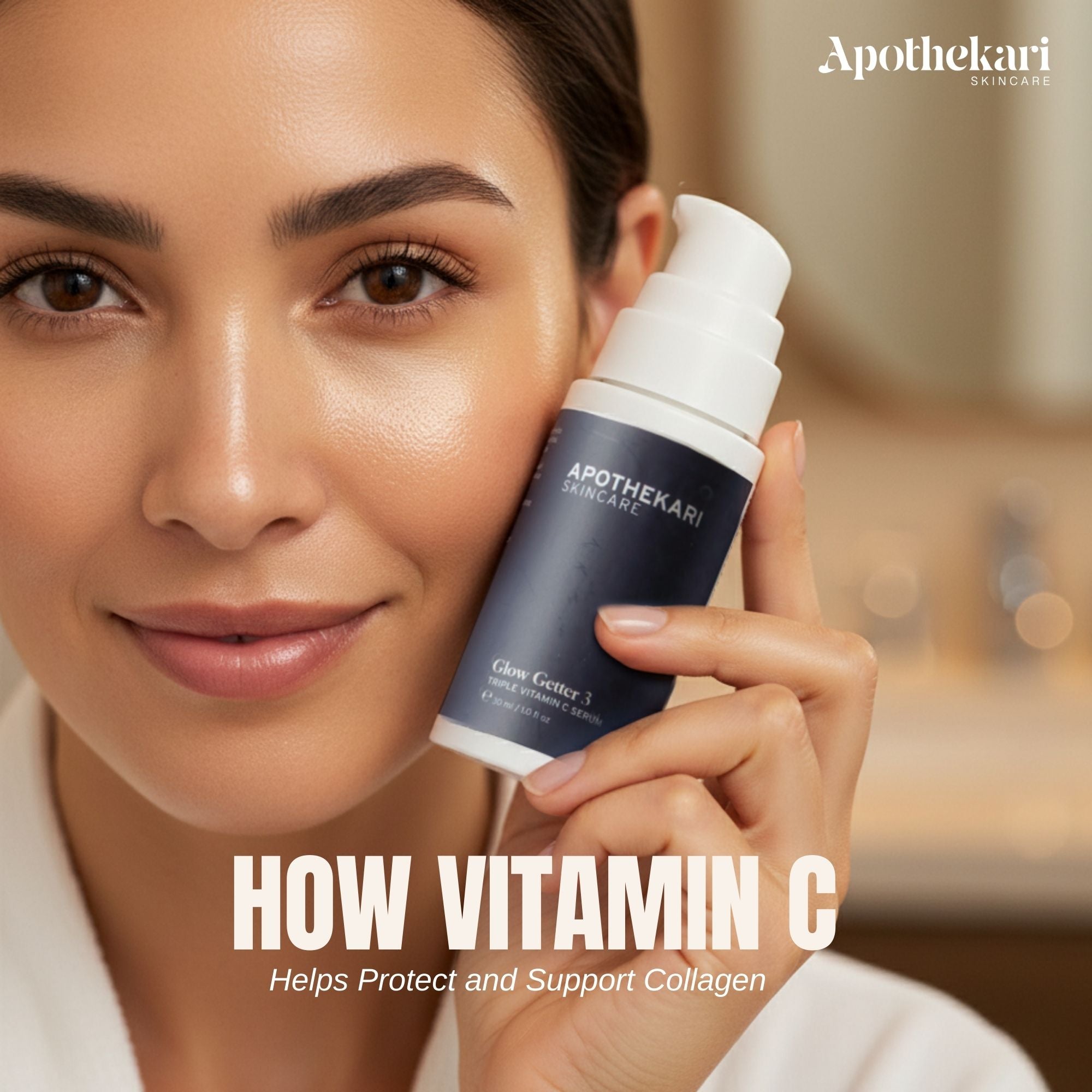
Many people focus on moisturizers, serums, and facial treatments to keep their skin looking youthful. But one of the biggest factors behind healthy, radiant skin lies deeper beneath the surface: collagen.
If your skin has started looking dull, less firm, or more prone to fine lines, collagen loss may be part of the reason. Understanding what collagen does—and how to protect it—can help you support your skin more effectively.
1. What Is Collagen?
Collagen is the most abundant structural protein in the human body. Think of it as the scaffolding that helps hold your skin together.
It provides structure, strength, and elasticity to skin, bones, tendons, ligaments, and connective tissues.
In fact, about 70–80% of your skin’s dry weight is collagen, which is why it plays such a large role in how skin looks and feels.
Your body naturally produces collagen using amino acids such as glycine, proline, and hydroxyproline. This process also depends on certain nutrients, including vitamin C, zinc, and copper.
Why Collagen Is Important for Skin
Collagen supports several essential skin functions.
Skin Firmness and Structure
Collagen fibers form a supportive network in the dermis, the middle layer of the skin. This structure helps keep skin firm and lifted.
Elasticity
Collagen works alongside elastin to allow skin to stretch and return to its original shape.
Smooth Texture
A strong collagen network helps keep skin looking smooth and plump.
Hydration Support
Collagen contributes to the skin’s ability to retain moisture, supporting a soft and supple appearance.
Skin Repair
Collagen plays an important role in healing and regenerating skin after injuries or breakouts.
What Happens When Collagen Declines
Collagen naturally decreases as we age. Environmental factors such as sun exposure, pollution, and oxidative stress can also accelerate collagen breakdown.
When collagen levels begin to decline, several changes may become noticeable.
Fine Lines and Wrinkles
Without strong collagen support beneath the skin, the surface begins to fold and crease.
Loss of Firmness
Skin may begin to lose its lifted appearance, especially around the cheeks and jawline.
Thinner Skin
Because collagen forms much of the dermis, lower levels can make skin appear thinner and less resilient.
Reduced Elasticity
Skin may not bounce back as easily after movement or facial expressions.
Dullness and Uneven Texture
When the collagen structure weakens, skin can begin to appear less smooth and less radiant.
Signs Your Skin May Be Losing Collagen
Common visible signs include:
- Crow’s feet around the eyes
- Smile lines around the mouth
- Skin laxity along the jawline
- Dull or uneven skin texture
These changes occur because the collagen network becomes weaker and less dense over time.
Why Vitamin C Is Important for Collagen
Because collagen plays such a major role in skin structure, supporting collagen production is an important part of maintaining healthy-looking skin.
One of the key nutrients involved in collagen formation is vitamin C.
Vitamin C helps the body produce and stabilize collagen fibers. Without enough vitamin C, the body cannot efficiently build the collagen that keeps skin firm and resilient.
Vitamin C also acts as a powerful antioxidant. It helps protect collagen from damage caused by environmental stressors such as sunlight, pollution, and free radicals.
This is why vitamin C serums are often recommended as part of a daily skincare routine.
Common Questions People Ask About Vitamin C Serums
Because vitamin C plays such an important role in supporting collagen, many people have questions about how it works in skincare.
Here are some of the most common questions people search for.
What Does Vitamin C Serum Do for the Skin?
Vitamin C helps brighten the complexion while supporting collagen production and protecting the skin from environmental stress.
Can Vitamin C Serum Help With Dark Spots?
Yes. Vitamin C is commonly used to help improve the appearance of uneven skin tone and hyperpigmentation.
Does Vitamin C Help With Fine Lines and Wrinkles?
Because vitamin C supports collagen production, it may help improve the appearance of early signs of aging.
When Should I Apply Vitamin C Serum?
Many people apply vitamin C in the morning after cleansing, followed by moisturizer and sunscreen.
Support Your Skin’s Natural Collagen
Restore a brighter, healthier-looking complexion.
Healthy, glowing skin begins beneath the surface.
As collagen naturally declines with age and environmental exposure, supporting the skin with antioxidant protection and consistent care becomes increasingly important.
When collagen is protected and supported, skin can maintain a smoother, firmer, and more radiant appearance over time.
Glow Getter 3 | Triple Vitamin C Brightening Serum contains three unique forms of Vitamin C working in harmony to help fight free radical damage, support collagen strength, reduce the appearance of fine lines, and promote a radiant complexion.


